News
POLITICS
The Islamic Renaissance of Tajikistan Changes Its Symbolism
The Islamic Renaissance of Tajikistan (IRT) announced on August 26 the adoption of a new charter and symbolism. According to IRT’s official Facebook page, the changes to the charter and symbolism of the movement were part of internal reforms initiated after nearly a decade of activity in exile. In a statement, IRT noted that the […]
The Islamic Renaissance of Tajikistan (IRT) announced on August 26 the adoption of a new charter and symbolism.
According to IRT’s official Facebook page, the changes to the charter and symbolism of the movement were part of internal reforms initiated after nearly a decade of activity in exile.
In a statement, IRT noted that the preparation of the new charter began following the establishment of a Reform Working Group. This group commenced its work on May 28, 2026, and examined the organization’s operational history, governance structure, current conditions, and strategic direction. After discussions during several meetings of the Supreme Presidium, the new charter was adopted on August 10, 2026.
Under the new charter, the Islamic Renaissance of Tajikistan is presented as a public, cultural, ideological, and educational movement.
The organization’s goals include the protection and development of Islamic and national values, safeguarding human rights and freedoms, strengthening national unity, respecting dissenting opinions, and promoting science and education.
The document outlines the structure and powers of the organization’s governing bodies. A draft of a new flag was also discussed, but its adoption has been postponed.
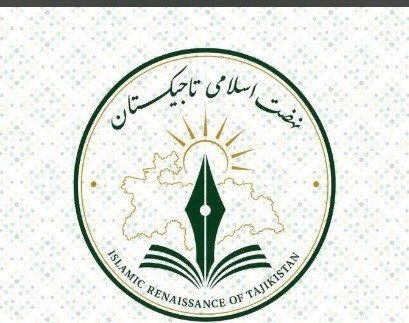
The Supreme Presidium of the Islamic Renaissance of Tajikistan also approved new symbolism (a coat of arms), featuring a fountain pen, an open book, a map of Tajikistan, and rays of light. This imagery represents concepts such as science, education, the territory of Tajikistan, and the organization’s values.
According to representatives of the organization, these decisions are part of the reforms initiated by the IRT leadership some time ago. At that time, IRT established a special working group tasked with preparing proposals to redefine the organization’s future activities in light of new realities and conditions.
In a previous statement, the organization noted that after approximately ten years of activity in exile, there was a consensus on the need to reform both the form and substance of the organization’s operations. According to IRT, changes in the global and regional political and religious landscape made such reforms necessary.
The organization emphasized its desire to redefine its stance on issues such as state, nation, religion, and politics, and to find an appropriate balance between politics and religion at this new stage of its activities, thereby reducing conflict between national and religious values.
As part of these reforms, IRT leadership previously announced that it would no longer use the term “party” in its name and would continue its activities under the name “Islamic Renaissance of Tajikistan” (IRT).
Before its activities were banned in the country, the Islamic Renaissance Party of Tajikistan was considered one of the most influential political forces in Tajikistan. According to party leadership, it had around forty thousand members at that time and held two mandates in the Tajik parliament.
In 2015, the Supreme Court of Tajikistan banned the activities of the Islamic Renaissance Party, declaring it a terrorist and extremist organization. Tajik authorities accused the party of involvement in an armed uprising in September 2015, which was allegedly organized by then-Deputy Defense Minister Abduhalim Nazarzoda.
The party’s leadership and activists rejected these accusations, claiming that the ban on the organization’s activities was politically motivated, aimed at eliminating opposition from the political scene.
Following the ban, Tajik law enforcement detained several leaders and high-ranking members of the organization. They were later sentenced to lengthy prison terms, with some receiving life sentences. A portion of the leadership and members left the country and continued their activities in exile.