Two weeks before the verdict was announced, “under pressure” from police officers, Abdullo Gurbati recorded a video address in which he “repented of his actions.” Photo: Internet Radio Ozodi, citing its sources in the pre-trial detention center in Dushanbe, reports that “police officers forced Abdullo Gurbati to repent of his actions in front of the […]
AZDA.TV· Send to others
Two weeks before the verdict was announced, “under pressure” from police officers, Abdullo Gurbati recorded a video address in which he “repented of his actions.”
Photo: Internet
Radio Ozodi, citing its sources in the pre-trial detention center in Dushanbe, reports that “police officers forced Abdullo Gurbati to repent of his actions in front of the video camera.”
“After they promised Gurbati release in the courtroom, the journalist agreed to give a confession on video. The police officers told Gurbati that the news segment with his confession and repentance would be shown on state television,” the source’s message notes.
The Ministry of Internal Affairs has not yet commented on this case.
Relatives of the journalist confirmed his “repentance.” A close relative of Gurbati told Radio Ozodi that he was forced to repent of his actions in front of the video camera and asked not to believe what he said during the recording.
So far, the video address of Abdullo Gurbati has not been published. It is also unknown whether this material was used as evidence in court.
The last court session for journalist Abdullo Gurbati took place in the detention center behind closed doors and without the presence of his relatives. The court sentenced Gurbati to 7.5 years in prison. His relatives disagreed with the verdict. The journalist’s lawyer also stated that he would appeal the verdict in higher instances. International organizations have called on the authorities to release him.
This is not the first case where detainees confess to their “guilt” under pressure and torture. A week ago, relatives of another detained journalist, Abdusatdor Pirmukhammadzoda, stated that he “confessed to his guilt” under pressure and torture, but through his lawyer, he reported that he was innocent.
In the past, dozens of detainees in their video addresses have given confessions or denied reports of torture and beatings during interrogations.
In investigative isolation facilities and prisons in Tajikistan, staff apply torture and pressure to obtain “confessions,” which raises concerns among the relatives of the detainees. Despite complaints from relatives to the relevant authorities, media coverage, and demands from international organizations, torture is still widely practiced in the country’s correctional institutions. In most cases, after complaints from relatives, pressure on detainees is further intensified.
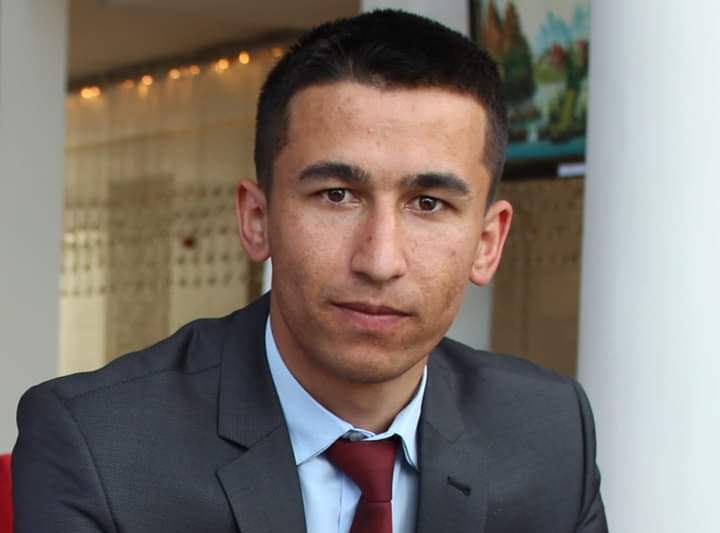 Photo: Internet