News
HUMAN RIGHTS TAJIKISTAN
Who is telling the truth: the Ombudsman or the prisoners?
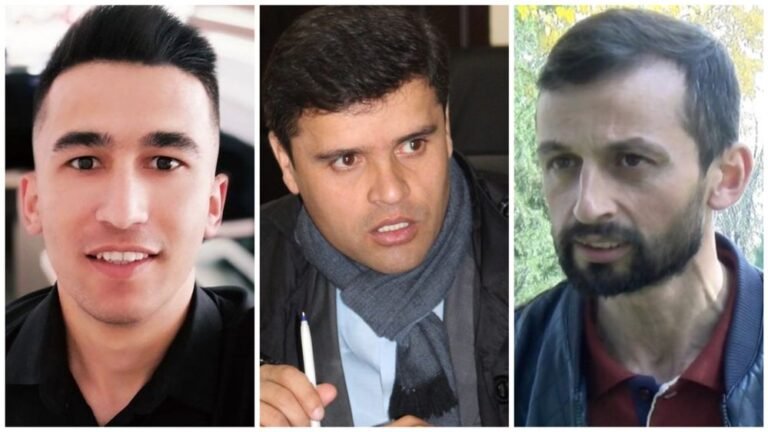
The Commissioner for Human Rights of Tajikistan, Umed Bobozoda, spoke with imprisoned journalists Abdullo Gurbati, Daler Imomali, and Zavkibek Saidamini in prison for just 15 minutes. Bobozoda’s meeting with the imprisoned journalists took place in the correctional colony in Dushanbe, known as “1st Soviet,” as part of the monitoring of correctional facilities by the Office […]
The Commissioner for Human Rights of Tajikistan, Umed Bobozoda, spoke with imprisoned journalists Abdullo Gurbati, Daler Imomali, and Zavkibek Saidamini in prison for just 15 minutes.
Bobozoda’s meeting with the imprisoned journalists took place in the correctional colony in Dushanbe, known as “1st Soviet,” as part of the monitoring of correctional facilities by the Office of the Commissioner for Human Rights of Tajikistan.
At a press conference in Dushanbe on July 25, Umed Bobozoda stated that the journalists did not complain about the conditions of their detention in the colony, but “they only expressed dissatisfaction with the court sentences.”
However, most relatives and friends of political prisoners have repeatedly complained about the poor conditions of detention in the country’s correctional colonies.
Earlier, in December of last year, Zavkibek Saidamini’s brother wrote on his Facebook page: “Pray for my brother’s health, his condition has worsened, pray for his recovery.”
Also, the UN Special Rapporteur on the situation of human rights defenders, Mary Lawlor, during her visit to Tajikistan, met with Daler Imomali and Abdullo Gurbati. After the meeting, she reported at a press conference that both journalists, especially Daler Imomali, should undergo testing for tuberculosis.
Radio Ozodi, citing Umed Bobozoda, reports that upon hearing their complaints, the ombudsman gave them several pieces of advice.
“During the conversation, I told them that they could contact the Office of the Commissioner for Human Rights, and then our representatives would be present at the court proceedings. But they did not exercise this right. We suggested they write a written statement to the ombudsman, so that on its basis we could demand a review of their criminal cases. They agreed,” said Bobozoda.
At the same time, Bobozoda reported that his office would continue monitoring correctional facilities. However, it is unknown whether meetings with other imprisoned journalists and bloggers, including Abdusattor Pirmuhammadzoda, Khushom Gulom, Ulfatkhonim Mamadshoeyva, and Khurshed Fozilov, among others, will be organized.
In the past year, the authorities of Tajikistan have imprisoned 8 journalists and bloggers on fabricated charges. Most court hearings were held behind closed doors, without the participation of the press and the public.
International and local human rights organizations have repeatedly called on the Tajik authorities to release detained journalists, but the country’s authorities always ignore these calls from human rights organizations.