News
AFGHANISTAN
Border crossings between Afghanistan and Pakistan have opened
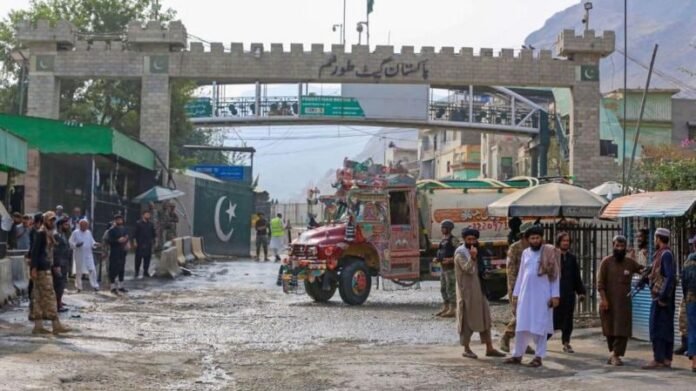
Pakistani authorities have opened several border crossings on the Afghan-Pakistani border. According to Afghan media, on the morning of January 23, 2024, the work of three key checkpoints for cargo trucks has resumed on the Afghan-Pakistani border. The checkpoints at Torkham in Nangarhar province, Kharluchi in Paktia province, and Ghulam Khan in Khost province have […]
Pakistani authorities have opened several border crossings on the Afghan-Pakistani border.
According to Afghan media, on the morning of January 23, 2024, the work of three key checkpoints for cargo trucks has resumed on the Afghan-Pakistani border. The checkpoints at Torkham in Nangarhar province, Kharluchi in Paktia province, and Ghulam Khan in Khost province have been reopened, ensuring the unhindered movement of goods along the border.
The political and social tension between the Taliban government in Afghanistan and Pakistan has led to significant disruptions in trade between Pakistan and Afghanistan.
Previously, the Taliban threatened to permanently close the border crossings between the countries if Pakistan continued to block cargo shipments.
Pakistan had closed five border crossings through which the transportation of commercial goods between Pakistan and Afghanistan takes place.
Earlier, the acting Prime Minister of Pakistan, Anwar-ul-Haq Kakar, stated that the illegal transportation of certain goods and cargo from Afghanistan to Pakistan is causing serious damage to the country’s economy. He urged his country’s authorities to tighten control over the border crossings at Torkham, Chaman, and Ghulam Khan.
The Torkham checkpoint, one of the largest cargo transportation points between Pakistan and Afghanistan, had been closed for a week. This point is also a key route for transit cargo from Central Asian countries, especially from Tajikistan and Uzbekistan.
The reason for the closure of the checkpoints, according to Pakistan, was the lack of passports, visas, and proper documents for Afghan truck drivers. In turn, the Taliban responded by tightening control over the passports, visas, and other documents of Pakistani truck drivers.
This is not the first instance where political tension has led to problems in the transportation of goods through border crossings between Pakistan and Afghanistan. Previously, similar incidents have resulted in significant financial losses for traders involved in the transit of fruits, vegetables, and agricultural products, who have suffered losses in the tens of thousands of dollars.