News
POLITICS
Head of Rahmon’s press service dismissed from position
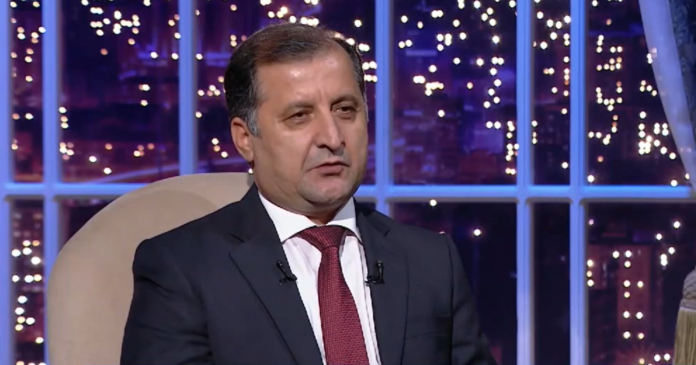
After 20 years of service, President Emomali Rahmon has dismissed the head of his press service. According to the press service of the President of Tajikistan, on January 29, 2024, Emomali Rahmon issued an order relieving Sharifzoda Abdufattoh Abduvahhob from the position of head of the press service of the President of the Republic of […]
After 20 years of service, President Emomali Rahmon has dismissed the head of his press service.
According to the press service of the President of Tajikistan, on January 29, 2024, Emomali Rahmon issued an order relieving Sharifzoda Abdufattoh Abduvahhob from the position of head of the press service of the President of the Republic of Tajikistan, citing “retirement.”
On the same day, another order appointed Kosimi Zarobiddin to his position.
Zarobiddin Kosimi had served as the Extraordinary and Plenipotentiary Ambassador of the Republic of Tajikistan to the Arab Republic of Egypt since 2020, and on January 29 was summoned from Cairo to Dushanbe, citing “transition to another job.”
Abdufattoh Sharifzoda was born in 1959 in the village of Sangiston in the Ayni district of the Sughd region. By profession, Zarobiddin Kosimi is an orientalist. He has experience working in the press center of the Ministry of Internal Affairs and the Ministry of Defense of Tajikistan. He also once headed Tajikistan’s diplomatic mission in Saudi Arabia. From 2005 to 2015, he served as deputy head of the press service of the President of Tajikistan.
Abdufattoh Sharifzoda, a historian by profession, was appointed press secretary of the President of Tajikistan on December 15, 2003. During his more than 20 years in this position, he was never able to persuade Emomali Rahmon to speak face-to-face with journalists and media representatives from Tajikistan or to participate directly in a press conference.
During the period when Abdufattoh Sharifzoda headed the press service of the President of Tajikistan, access to timely and reliable information for journalists was increasingly restricted each year. For this reason, international and human rights organizations have previously criticized the situation regarding press freedom in Tajikistan, comparing it to North Korea.