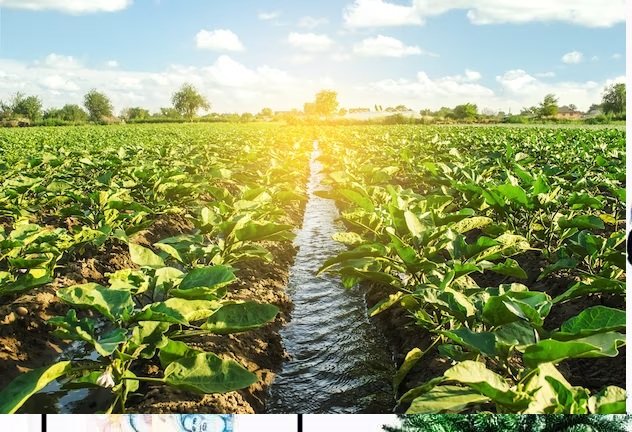
Tajikistan raises irrigation water tariffs by 150%
In Tajikistan, starting from January 1, 2024, the tariffs for irrigation water for agriculture have increased by 150%. According to specialists, this will negatively impact the cost of producing agricultural products, making it even higher. This is especially true for crops such as cotton and rice, which consume a lot of water.
In Tajikistan, starting January 1, 2024, the tariffs for irrigation water for agriculture have increased by 150%. According to specialists, this will negatively affect the cost of producing agricultural products, making it even higher. This is especially true for crops such as cotton and rice, which consume a lot of water.
The Director of the Agency for Melioration and Irrigation under the government, Zafarbek Davlatzoda, reported during a press conference last week that “if last year water consumers paid 2 dirams for 1 cubic meter of water for irrigating their fields, this year they will pay 5 dirams including VAT.”
The main reason for the increase in irrigation tariffs is their inconsistency with the costs of maintaining pumping stations and main canals. Due to the unsatisfactory condition of hydraulic structures, water does not fully reach the fields—there are too many technical losses. In the republic, irrigated lands comprise more than 600,000 hectares.
Each hectare requires, depending on the crop, from 2,000 cubic meters (for plants that consume little water, such as some grains) to 12,000 cubic meters (for cotton) of irrigation water. Growing 1 hectare of rice can require up to 20,000 cubic meters of water in one irrigation season. After the price increase for water, farmers will have to pay for irrigating 1 hectare of land from 100 somoni (for some grains) to 1,000 somoni (for rice). Previously, they paid from 40 to 400 somoni for 1 hectare of irrigation water.
Due to unplanned power outages at pumping stations, agricultural producers, as well as the water management entities, are suffering losses. For example, in 2023, pumping stations across the republic malfunctioned 130 times due to sudden power outages or voltage fluctuations. Additionally, year after year, the number of complaints from farmers and tenants is increasing, as they receive less water than required. The reason for this is clogged canals or ruptures in worn-out pipes.