News
AFGHANISTAN CENTRAL ASIA
Taliban joins CASA-1000 project. What awaits Tajikistan now?
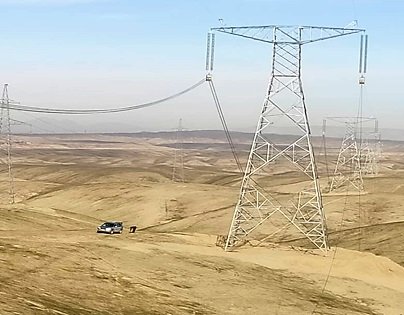
On March 8, 2024, a ceremony was held in Istanbul for the signing of the regional CASA-1000 project between the Central Asian countries: Kyrgyzstan, Tajikistan, Afghanistan, and Pakistan. The essence of the project is the supply of electricity from Tajikistan and Kyrgyzstan to Afghanistan and Pakistan.
On March 8, 2024, a ceremony was held in Istanbul for the signing of the regional CASA-1000 project between Central Asian countries: Kyrgyzstan, Tajikistan, Afghanistan, and Pakistan. The essence of the project is to supply electricity from Tajikistan and Kyrgyzstan to Afghanistan and Pakistan.
The CASA-1000 project in Afghanistan was suspended due to the rise to power of the Taliban movement in August 2021. By that time, about 18% of the work on the construction of towers in the Afghan section had been completed. In other countries, including Tajikistan, construction work was nearly finished. This project is valued at $1.2 billion, which could help develop the energy sector in all four participating countries.
The spokesperson for the Taliban government, Zabihullah Mujahid, announced on social media that after a two-year delay, the World Bank has granted permission to implement the project starting in early April of this year.
In December 2023, Tajik President Emomali Rahmon emphasized the need to resume the implementation of the CASA-1000 power line project during a meeting with the President of the World Bank Group, Ajay Banga.
The question remains open regarding the prospects for resolving the energy crisis for the population of Tajikistan, and whether this grand regional project will lead to even greater restrictions for the people.
In Tajikistan, remote regions are constantly under energy limits during the winter season, and this year the limit has reached the capital as well. In the spring of this year, during the first week of 2024, several people died due to problems caused by the lack of electricity and heat; among the nine people poisoned by carbon monoxide, five were minor children.