News
ECONOMY TAJIKISTAN
Chinese investor threatens lawsuit against Tajik company “Nakhsh”
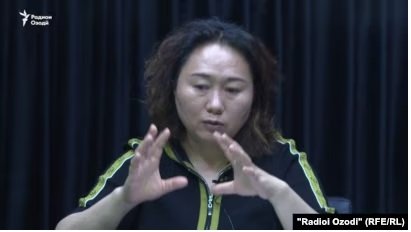
An economic dispute has erupted between two companies – “Chin Zar,” owned by a Chinese investor, and “Nakhsh,” which belongs to an entrepreneur from Tajikistan. Zhang Qiuyin, who identifies herself in a letter to the Tajik Ministry of Foreign Affairs as a corporate investor and head of LLC “Chin Zar,” claims that her Tajik partner […]
An economic dispute has erupted between two companies – “Chin Zar,” owned by a Chinese investor, and “Nakhsh,” which belongs to an entrepreneur from Tajikistan.
Zhang Qiuyin, who identifies herself in a letter to the Tajik Ministry of Foreign Affairs as a corporate investor and head of LLC “Chin Zar,” claims that her Tajik partner “Nakhsh” refuses to pay $400,000. The executive director of “Nakhsh” told Radio Ozodi in a phone conversation that when his company paid half of the agreed amount, it then faced financial difficulties but would soon settle the remaining debt.
In 2016, the Chinese entrepreneur invested in a joint gold mining project with the Tajik company “Nakhsh” in the Shugniv region. At that time, she also registered her LLC “Chin Zar” in Tajikistan.
Zhang Qiuyin writes that after coordinating with Chinese authorities, she made investments under a contract amounting to $3 million, and when LLC “Nakhsh” received the already completed production, she began to have problems with recovering her investments. According to her, the owner of “Nakhsh” is a relative of the family of the President of Tajikistan.
“After several years of disputes and discussions with the head of ‘Nakhsh,’ Amriddin Nakhshov, and the intervention of the Chinese embassy and the Tajik Ministry of Foreign Affairs, we reached an agreement that he would return $800,000 of the total amount of my investments, and we would close the matter. But I was returned only $400,000 through the Tajik Ministry of Foreign Affairs, and that’s all,” says Zhang Qiuyin.
“I owe banks, and I cannot return to China”
A letter from the Tajik Ministry of Foreign Affairs in response to a diplomatic note from the Chinese embassy in Dushanbe dated January 9, 2024, states that the companies “Nakhsh” and “Chin Zar” have reached an agreement to return the remaining part of the money by January 30, 2024.
Zhang Qiuyin says that more than four months have passed since the last promise, but now she can no longer find Amriddin Nakhshov: “The executive director of ‘Nakhsh’ promises to return the remaining money. But when? It is unknown. I have been waiting for five years, I owe Chinese banks, and therefore I cannot return to my homeland.” Nakhshov, in a phone conversation with Radio Ozodi, said that he does not refuse to pay the money, but did not provide any details. Radio Ozodi sent an official letter to LLC “Nakhsh” requesting clarification of the company’s position on this issue, but has not yet received a response.
The dispute between the two companies has already attracted the attention of both Chinese and Tajik authorities. The Chinese embassy has taken further steps to resolve the situation and, with the involvement of a law firm from China, requested the Tajik side to resolve the economic dispute by June 15. Otherwise, the plaintiffs promised to appeal to the economic court in China. The parties to the dispute confirmed their readiness to meet in the coming days to resolve the issue.
“The fate of this investor will make other investors think”
This dispute, against the backdrop of numerous investments from state and private companies from China in the Tajik economy, in the development of gold-bearing deposits and other minerals, could seriously affect the investment climate and the image of the state.
“Such events are extremely dangerous for the investment environment. The fate of this investor will make other investors think; they will have to think ten times before giving even a penny to our economy,” says Tajik expert Foziljon Fattulloyev.
Previously, economic disputes with foreign investors have already arisen in Tajikistan. One of the main reasons for this situation is the lack of transparency in the entire investment process and the distribution of income.
Monthly or annual reports on the activities of these companies and their associated expenses in Tajikistan are not published. This situation increases the likelihood of corruption risks during the attraction of foreign investments and cooperation with foreign companies.