News
HUMAN RIGHTS
The EU urged Dushanbe to investigate human rights violations in GBAO
The European Union expressed concern about the imprisonment of human rights defenders, journalists, and bloggers in Tajikistan and once again urged Dushanbe to thoroughly investigate human rights violations, especially in the Gorno-Badakhshan Autonomous Region. This was stated on July 16 in Dushanbe during the eleventh annual meeting of the EU-Tajikistan Cooperation Committee, according to a […]
The European Union expressed concern about the imprisonment of human rights defenders, journalists, and bloggers in Tajikistan and once again urged Dushanbe to thoroughly investigate human rights violations, especially in the Gorno-Badakhshan Autonomous Region.
This was stated on July 16 in Dushanbe during the eleventh annual meeting of the EU-Tajikistan Cooperation Committee, according to a statement released by the EU delegation in Tajikistan.
“An independent and active civil society along with free media are essential for the development of a democratic society,” the release noted.
The reaction of the Tajik authorities to the EU’s call is unknown. The co-chairs of the Cooperation Committee were Deputy Minister of Economic Development and Trade Akhliddin Nuriddinzoda and Deputy Managing Director of the European External Action Service Luc Devigne.
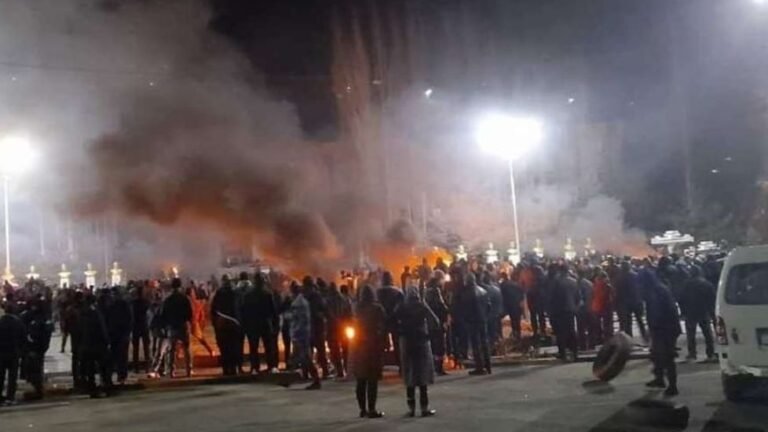
The EU’s statement mentions the events of May 2022 in the Gorno-Badakhshan Autonomous Region, when following public protests and the subsequent operation by security forces, 34 people were killed, and dozens, including civil activists, were detained and sentenced to long prison terms. The authorities label them as “members of criminal groups,” but relatives of the victims claim that most of them were ordinary peaceful residents and were unarmed. Western organizations and countries believe that the Tajik authorities violated human rights in suppressing the protest.
In 2022-2023, eight independent Tajik journalists and bloggers were sentenced to imprisonment for terms ranging from 7 to 21 years. During this period, several human rights defenders and civil activists were also convicted. Neither statements from international organizations and human rights defenders, nor individual appeals to the president, nor public outcry saved them from imprisonment. The authorities found them guilty of collaborating with banned organizations, but the convicted individuals reported that they gave confessions under pressure and torture.
The EU’s statement also noted that during the discussions, the parties exchanged views on issues of regional and international interest, including the situation in Afghanistan, the increased threat of international terrorism and violent extremism, environmental issues, energy, trade, etc.