News
MIGRATION
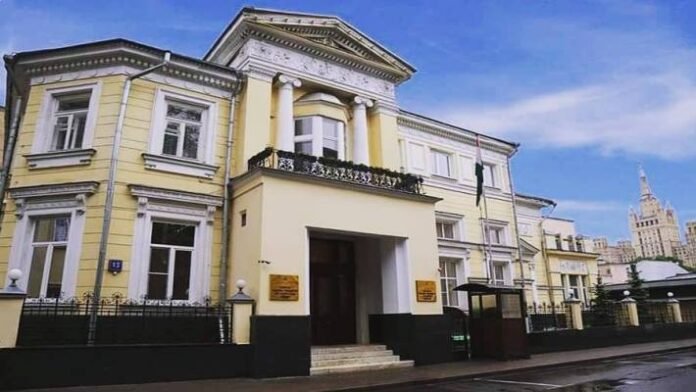
The Embassy of Tajikistan urged against traveling to Russia
On September 10, the Embassy of Tajikistan in Russia recommended that Tajik citizens refrain from traveling to this country. The Embassy of the Republic of Tajikistan in the Russian Federation published a recommendation for Tajik citizens on its Facebook page, urging them to “temporarily refrain from traveling to the Russian Federation without urgent necessity.” The […]
On September 10, the Embassy of Tajikistan in Russia recommended that Tajik citizens refrain from traveling to this country.
The Embassy of the Republic of Tajikistan in the Russian Federation published a recommendation for Tajik citizens on its Facebook page, urging them to “temporarily refrain from traveling to the Russian Federation without urgent necessity.”
The embassy explained the reason for this recommendation as the ongoing “enhanced control regime for the entry of foreign citizens through the state border at land and air checkpoints” in the Russian Federation.
Also on September 10, the Embassy of Tajikistan in Belarus addressed Tajik citizens with a recommendation to temporarily refrain from traveling to Belarus.
“This measure is related to the tightening of control over the entry of foreign citizens through air checkpoints, which was introduced by the Belarusian authorities,” the statement noted.
The Embassy of Tajikistan in Belarus did not go into details.
The recommendations from the embassies of Tajikistan in Russia and Belarus came against the backdrop of increasing pressure from Russian law enforcement agencies on Tajik migrants.
Tajik citizens complain that upon entering Russia, they are subjected to unprecedentedly harsh checks and interrogations. For several months now, entry into Russia has been complicated for Tajik migrants. Videos published on social media show Russian border guards strictly checking Tajik citizens at both land borders and airports. Recently, hundreds of Tajiks have been denied entry and sent back to their homeland.
Special unwritten discriminatory rules apply to migrants from Central Asia. They are usually detained at the border for hours, undergoing interrogations and searches of their personal belongings.
Following the bloody attack on “Krokus City Hall” and the hostage-taking at a Volgograd colony, Russian law enforcement agencies further intensified control over Tajik citizens and tightened migration policy. In both cases, Russian authorities claim that citizens of Tajikistan were involved.