News
SOCIETY
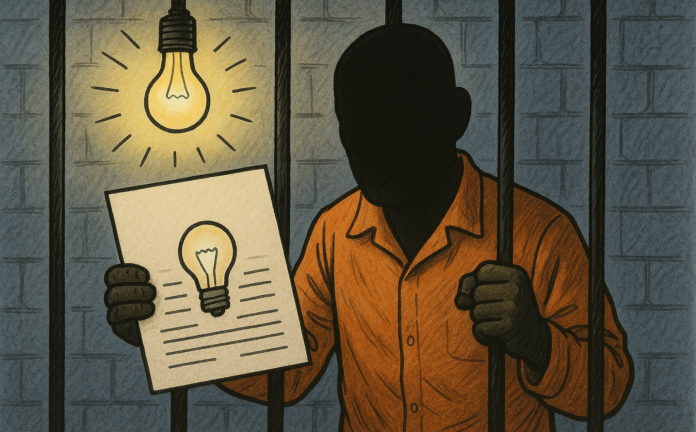
For non-payment of electricity, there is a fine or even imprisonment
A law has been adopted in Tajikistan that imposes fines or imprisonment on citizens for “illegal connections to the electricity grid” and “non-payment for electricity.” Amendments to the criminal and administrative codes were approved by deputies of the Majlisi Namoyandagon (lower house of parliament) on April 2. According to the new law, individuals who violate […]
A law has been adopted in Tajikistan that imposes fines or imprisonment on citizens for “illegal connections to the electricity grid” and “non-payment for electricity.”
Amendments to the criminal and administrative codes were approved by deputies of the Majlisi Namoyandagon (lower house of parliament) on April 2.
According to the new law, individuals who violate electricity usage rules face fines ranging from 27,000 to 90,000 somoni or imprisonment for a term of 3 to 10 years.
This punitive measure was announced by the authoritarian President of Tajikistan Emomali Rahmon at an expanded government meeting on March 27, and less than ten days later, the Ministry of Justice prepared amendments to the draft law “On Amendments to the Criminal Code” and the draft law “On Amendments to the Code of Administrative Offenses,” which were presented to the deputies by Justice Minister Muzaffar Ashuriyon.
According to the new law, a new article (253 prim.1) will be added to the Criminal Code, establishing criminal liability for violations of electricity usage rules and standards.
The news of this law’s adoption comes against the backdrop of numerous restrictions on electricity supply in Tajikistan. In particular, consumers using more than 10,000 kilowatt-hours per month are charged commercial rates for electricity. To date, authorities have registered 250 such consumers.
Additionally, according to a new government decree, the cost of electricity has increased as of April 1, 2025. Residents will now pay 35.36 dirams per kilowatt-hour instead of the previous 30.37 dirams.
All of this is happening amid a situation where the population of the country is suffering from a shortage of electricity, and it remains unclear what measures the president and responsible officials are taking to address these issues.
According to informed sources, those who most frequently fail to pay for electricity are state enterprises and companies owned by relatives of high-ranking officials. Many of these companies purchase electricity at lower prices than ordinary citizens.