News
SOCIETY
Mother who drowned her children sentenced to prison
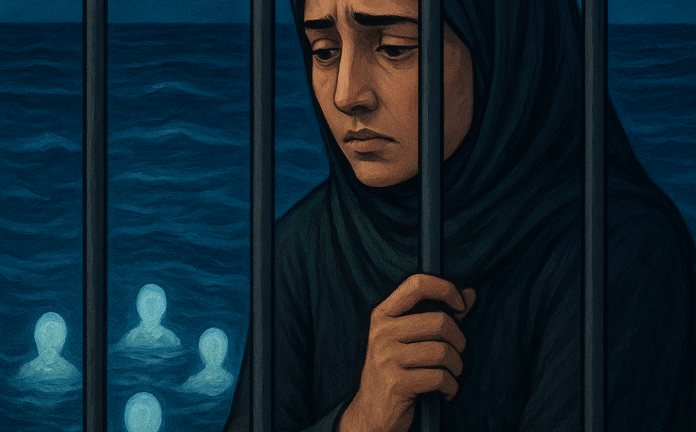
The Kulyab City Court sentenced Madina Khalimova, who jumped into a river with her four young children, to 20 years in prison. According to Radio Ozodi, citing its sources, the court’s verdict was issued on October 9. The convict’s family does not intend to appeal the verdict. The 27-year-old resident of the Farhor district in […]
The Kulyab City Court sentenced Madina Khalimova, who jumped into a river with her four young children, to 20 years in prison.
According to Radio Ozodi, citing its sources, the court’s verdict was issued on October 9. The convict’s family does not intend to appeal the verdict.
The 27-year-old resident of the Farhor district in the Khatlon region, Madina Khalimova, threw her three daughters and young son into the Surkhab River on June 30 of this year. The eldest daughter was 5 years old, and the youngest son was only three months old. After that, she also jumped into the river with the intention of ending her life. However, the woman managed to get out of the water alive, while all her children drowned and died.
The authorities cited a family conflict as the cause of the tragedy.
Official sources report that after Khalimova learned that her husband had married a second wife, she decided to end her life along with her children.
However, the husband’s relatives rejected this version, denying the existence of a second wife and claiming that Madina may have had “psychological problems.”
On October 13, however, Radio Ozodi journalists attempted to obtain a comment from Madina Khalimova’s father regarding what his daughter said in court, but he refused to answer the journalist’s questions and disconnected the phone.
Experts believe that this tragedy once again highlights the mental health issues faced by women in dysfunctional families in Tajikistan and the lack of social support. Experts note that the absence of psychological assistance and the weakness of the women’s rights protection system in the country can contribute to such tragedies.
In the context of rising unemployment, migration, and social injustice, vulnerable women need legal and social support more than ever.