News
TAJIKISTAN
Climate change: air pollution expected in Tajikistan
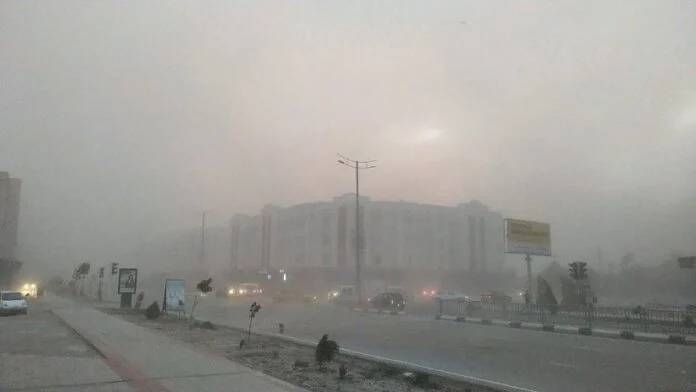
In the coming days, Tajikistan is expected to experience a sharp change in weather, including severe air pollution. According to the Tajik Hydrometeorology Agency, from the second half of September 11 to September 13, an increase in atmospheric air pollution levels is anticipated in the Khatlon region, areas under republican jurisdiction, and the city of […]
In the coming days, Tajikistan is expected to experience a sharp change in weather, including severe air pollution.
According to the Tajik Hydrometeorology Agency, from the second half of September 11 to September 13, an increase in atmospheric air pollution levels is anticipated in the Khatlon region, areas under republican jurisdiction, and the city of Dushanbe.
According to meteorologists, the cause of air pollution will be strong dust storms from the southwest and southeast directions. A large amount of fine dust particles in the air may negatively affect the health of residents, including children, the elderly, and individuals with respiratory diseases. Specialists recommend that residents exercise increased caution on dusty days and avoid prolonged outdoor exposure, especially in areas with a high volume of vehicles, and wear masks if necessary.
Dust storms in Tajikistan have been occurring more frequently in recent years. According to official authorities, the number of dusty days in the country last year was 216. The Committee for Environmental Protection also reports that in 2025, 63 cases of air pollution were recorded, which is almost double compared to 2024.
In the ranking by the international organization IQAir, which analyzes air quality worldwide, Tajikistan ranked third among countries with the most polluted air in 2025. According to the organization, the average concentration of PM2.5 particles in the country reached 57.3 micrograms per cubic meter.
However, the authorities of Tajikistan do not recognize this assessment as a true reflection of the air quality in the country. The Hydrometeorology Agency stated that such rankings cannot be ignored, but they should be analyzed considering geographical conditions and the results of internal studies.
Environmental protection specialists assert that the increase in dust in the air is linked to several factors. Climate change, land aridity, and deforestation are considered the main causes. In Tajikistan, some experts also cite tree cutting, reduction of green spaces, and the increase in high-rise buildings in cities among such factors.