News
WORLD
The USA and Iran held a new round of negotiations in Switzerland
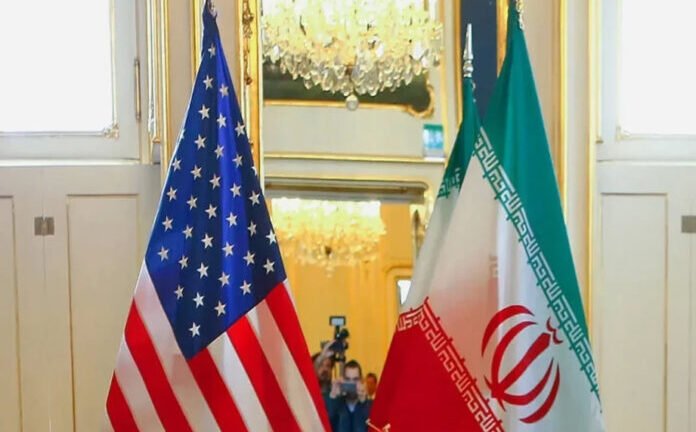
Delegations from the United States and Iran held their first round of negotiations on June 21 in the city of Burgenstock, Switzerland. The talks were mediated by Qatar and Pakistan. The parties reported “encouraging progress.” However, the details of the agreement have not yet been publicly disclosed. The U.S. delegation was represented by Vice President […]
Delegations from the United States and Iran held their first round of negotiations on June 21 in the city of Burgenstock, Switzerland. The talks were mediated by Qatar and Pakistan. The parties reported “encouraging progress.” However, the details of the agreement have not yet been publicly disclosed.
The U.S. delegation was represented by Vice President Jay D. Vance. The Iranian delegation included Parliament Speaker Mohammad-Bagher Ghalibaf and Foreign Minister Abbas Araghchi.
Participating as mediators were Pakistani Prime Minister Shahbaz Sharif and Qatari Prime Minister, Foreign Minister Mohammed bin Abdulrahman Al Thani.
After the negotiations, Qatar and Pakistan issued a joint statement indicating that the parties agreed to establish a “High-Level Committee for Negotiations.” According to the mediators, this committee will exercise political oversight over the negotiation process, and senior negotiators will regularly report to it.
The statement noted that the parties agreed on a roadmap to reach a final deal within 60 days. Technical negotiations will continue this week in Burgenstock on issues related to Iran’s nuclear program, sanctions, and ways to resolve existing disagreements between the parties.
According to the mediators, a communication line was also established between the parties to prevent misunderstandings and ensure the safe passage of vessels through the Strait of Hormuz.
A new mechanism to prevent escalation in Lebanon was also agreed upon during the U.S.-Iran negotiations in Switzerland.
After the negotiations, Iranian Foreign Minister Abbas Araghchi stated on his social media page X that the mediation efforts of Qatar and Pakistan achieved “significant progress.”
He noted that as a result of the agreements reached, sanctions related to the export of Iranian oil and petroleum products were lifted, the maritime blockade was removed, part of the frozen Iranian assets was unblocked, and a program for the recovery and further development of the country’s economy would be launched.
From the U.S. side, Vice President Jay D. Vance stated that the parties discussed issues related to Iran’s nuclear program during the negotiations. He also reported reaching agreements on establishing a mechanism to ensure the safety of shipping in the Strait of Hormuz and measures to prevent further escalation of tensions in Lebanon.
According to several media reports, a dispute arose among participants at the beginning of the negotiations regarding the presence of journalists, as representatives of the Iranian delegation did not want to be photographed with U.S. representatives.
According to these reports, tensions increased after U.S. President Donald Trump threatened Iran in a statement. However, despite the disagreements, negotiations mediated by Qatar and Pakistan continued.
The first round of negotiations in Bürgenstock ended amid months of tension between the USA and Iran. Despite this, statements from both sides and representatives of intermediaries indicate that efforts are being made to resolve the conflict through diplomatic means and to achieve a comprehensive agreement.