News
SOCIETY TAJIKISTAN
Employee of Dangara Electric Networks detained on suspicion of fraud
An employee of the energy company “Electricity Distribution Networks” in the Dangarinsky district has been detained for causing harm to the population. According to the Ministry of Internal Affairs of Tajikistan, the suspect, M.S. Rahimov, a 32-year-old resident of the Dangarinsky district, worked as a controller at the “Electricity Distribution Networks” company in this district. […]
An employee of the energy company “Electricity Distribution Networks” in the Dangarinsky district has been detained for causing harm to the population.
According to the Ministry of Internal Affairs of Tajikistan, the suspect, M.S. Rahimov, a 32-year-old resident of the Dangarinsky district, worked as a controller at the “Electricity Distribution Networks” company in this district.
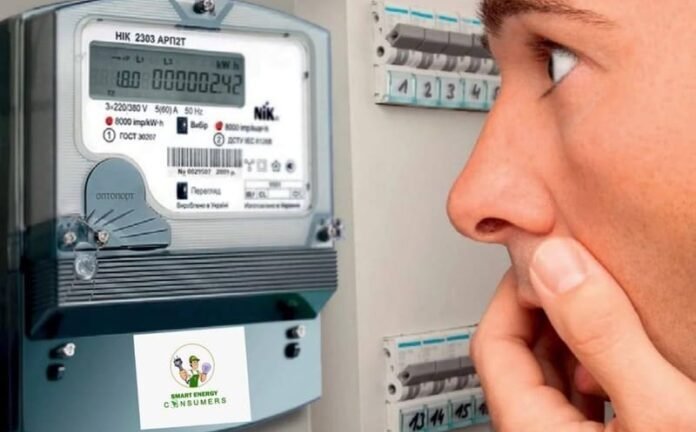
According to the investigation, by altering the meter readings in the company’s computer system, he increased the readings for residents of Mekhtar in the Dangarinsky district by 73,000 kilowatt-hours, thereby causing the company a loss of 30,000 somoni (about 3,000 dollars).
A criminal case has been initiated against the suspect on charges of falsification and alteration of computer data.
In recent years, the issue of the use and readings of electricity meters in Tajikistan has often sparked disputes and discussions in society. Many residents complain that electricity costs are too high and do not correspond to their actual consumption. According to them, in some cases, the meters show inflated and unjustified readings, which causes dissatisfaction among residents.
Moreover, power outages, especially during the autumn-winter period, negatively affect the lives of residents in some regions.
Authorities often explain the lack of electricity by the excessively high consumption of the population and delayed bill payments.
However, a number of residents and social media users believe that the problem lies not only in electricity consumption but also in incorrectly functioning meters, data falsification in the system, and in some cases, the actions of industry employees. They argue that these factors lead to errors and discrepancies in the readings.
This issue is now once again in the spotlight of society. Both the public and experts emphasize the need for transparency and improved oversight in the energy sector.