400 new buildings constructed for the Ministry of Internal Affairs
Over the past three decades, the government of Tajikistan has built and put into operation more than 400 new buildings and structures for law enforcement agencies. Photo: Internet On November 9, the President of Tajikistan Emomali Rahmon and his son Rustam Emomali inaugurated the building of military unit 3505 of the Internal Troops of the […]
AZDA.TV· Send to others
Over the past three decades, the government of Tajikistan has built and put into operation more than 400 new buildings and structures for law enforcement agencies.
Photo: Internet
On November 9, the President of Tajikistan Emomali Rahmon and his son Rustam Emomali inaugurated the building of military unit 3505 of the Internal Troops of the Ministry of Internal Affairs of Tajikistan.
Rahmon emphasized that the state and government of Tajikistan always pay special attention to strengthening the material and technical base of law enforcement agencies.
“To date, the government of the country has built and put into operation 400 new facilities and buildings for law enforcement agencies,” he stated.
“In connection with modern dangers and threats to the security of the country, the personnel of military structures, law enforcement agencies, including internal affairs agencies, have been tasked to always be on alert and ready to combat threats, dangers, and attempts to disrupt stability in society, to improve their skills and abilities in this process, and to pay serious and constant attention to their profession,” the statement noted.
He also emphasized the need to combat “terrorism, drug trafficking, and other organized crimes that threaten public safety.”
Emomali Rahmon has repeated these words for almost three decades.
Most experts believe that the main reason for the youth joining extremist groups is the wrong policies, pressure and threats, restrictions on civil and religious freedoms of the population, and in particular the introduction of additional restrictions for the youth.
International organizations have repeatedly emphasized in their reports that Tajikistan is increasing pressure on representatives of the intelligentsia, politicians, journalists, and religious figures under the pretext of “fighting terrorism.”
Recently, the authorities of the country sentenced several journalists and bloggers to long prison terms, including Abdullo Gurbati, Daleri Imomali, Zavkibek Saydamini, Abdusatdor Pirmukhammadzoda, and others. The authorities accused them of collaborating with banned parties, but both they and their relatives rejected all these accusations.
On the other hand, according to unofficial data, most involved in drug trafficking in Tajikistan are either employees of law enforcement agencies or have a patron among high-ranking officials. In any case, the main problem lies in the unprofessionalism and incompetence of personnel and the imposition of excessive restrictions, and in both cases, the culprit is the government of Tajikistan.
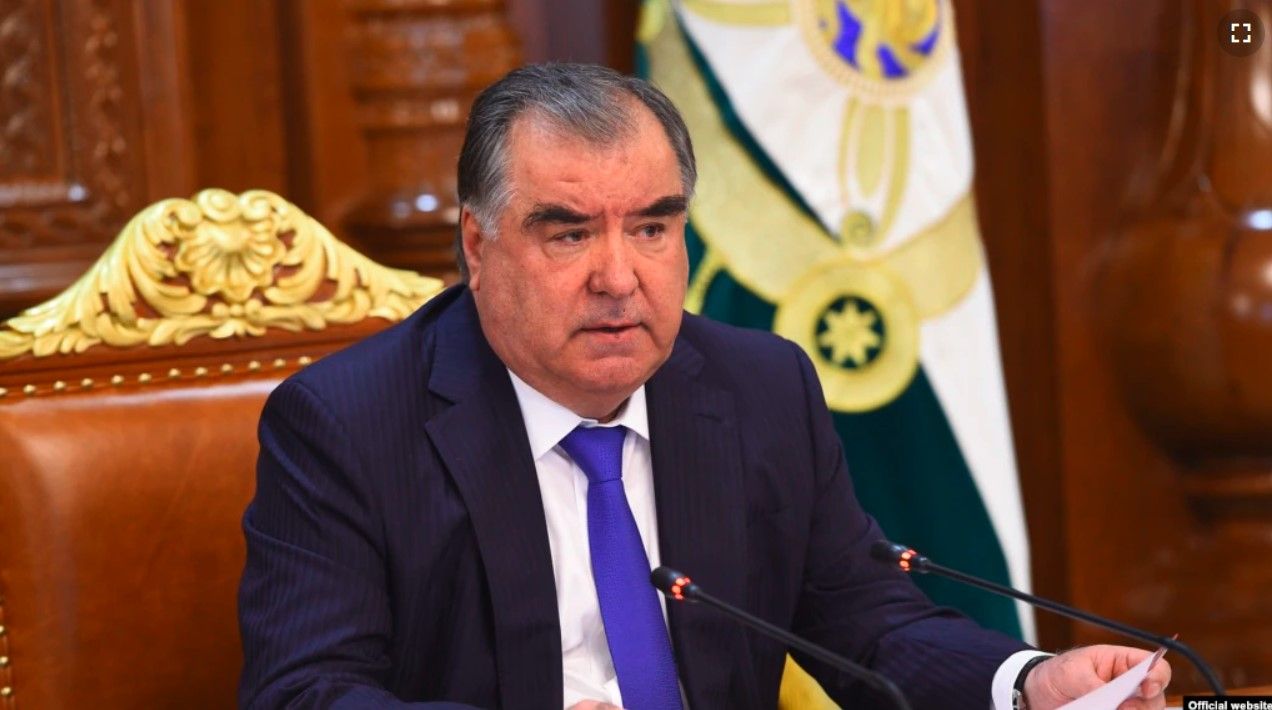 Photo: Internet