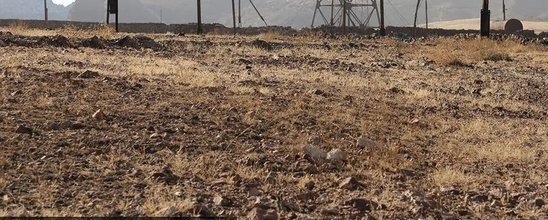
The problem of agricultural land degradation has worsened in the Khatlon region of Tajikistan. These processes negatively affect the environment. Dozens of hectares of land have become unusable or have been removed from agricultural circulation in Khatlon, one of Tajikistan’s main agricultural regions. Farmers are suffering significant losses because their agricultural lands have not been cultivated for many years, the soil has become saline, and it does not yield crops.
The Khatlon Land Management Committee reports that the total area of agricultural land that has been removed from circulation is 885 hectares. The agency stated that these “lands are waterlogged, saline, or dried up due to a lack of irrigation water or improper irrigation technologies; over 86,000 hectares of land are irrigated by pumps.” Some experts link the process of land degradation to climate change and rising temperatures; the existing water shortage is due to farmers’ improper use of irrigation technologies and their inability to clean drainage ditches and canals. As a result, the fertile layer of soil is being destroyed, moisture is lost, drying processes are intensified, leading to the disappearance of plants.
The authorities of the Khatlon region have stated that they intend to restore the lands that have been removed from agricultural circulation to their former state. About 50 hectares of land have already been restored in the Shahritus district. It is believed that to restore the land, it is necessary to clean the drainage ditches and irrigate the soil. Another factor in this process is global climate change; hot summers and winters with little precipitation lead to a decrease in soil moisture. How Tajik authorities will respond to climate change is unknown.