Antimony production is increasing, but in whose interests?
The company Talco Gold has announced its intention to increase antimony production to 18,000 tons per year. If this plan is realized, Tajikistan could strengthen its position in the global metal production market. Antimony is used in the production of batteries, electronics, the military industry, and other strategic sectors, and in recent years, the demand […]
AZDA.TV· Send to others
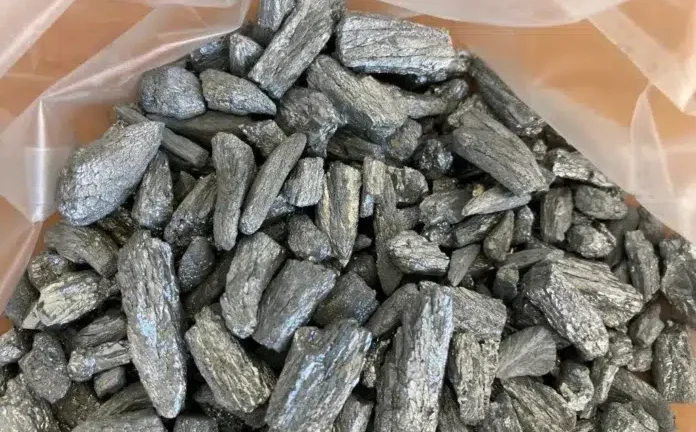
Photo: Internet
The company Talco Gold has announced its intention to increase antimony production to 18,000 tons per year. If this plan is realized, Tajikistan could strengthen its position in the global metal production market. Antimony is used in the production of batteries, electronics, the military industry, and other strategic sectors, and in recent years, the demand for this type of metal has been steadily growing.
Increased production means increased exports, an influx of foreign currency, and industrial development. Authorities traditionally present such news as a sign of national economic development. At first glance, this announcement can indeed be considered an important economic achievement. However, the experience of similar achievements over the past year raises the question of how much the growth in mineral extraction affects the lives of ordinary residents.
Tajikistan has rich deposits of gold, silver, antimony, and other minerals. Despite this, in most regions where these valuable metals are extracted, residents still face social problems, unemployment, weak infrastructure, and low levels of government services.
On the other hand, the exported minerals are mainly shipped out of the country in raw form, and the profits from them are minimal. Meanwhile, in the importing countries of Tajik metal, many more jobs are created.
Another question is related to the transparency of the industry. Production volumes can be increased, but society also wants to know: what is the income from the growth in the extraction of these minerals? How much does it increase government budget revenues? How many new jobs are created? What portion of the profits is directed to the regions where the minerals are extracted? Answers to these questions are usually impossible to find in official government reports.
It is also important not to ignore the issue of environmental protection. The extraction and processing of antimony can cause serious harm to the environment and nature if ecological standards are not adhered to during production. Therefore, the growth in production should be accompanied by independent environmental monitoring and social responsibility from mining companies.
Of course, the development of the mining industry is very important for the economy of Tajikistan. However, the real value of these projects is assessed not only by the thousands of tons of produced products. The main criterion is whether the minerals contribute to improving the living standards of the population, regional development, and the sustainability of the national economy.
If the answer to this question is positive, then antimony production will indeed become a national achievement. If the answer is negative, then residents have the right to ask who truly benefits from the country’s minerals.