News
WORLD
Ceasefire or War? New Stage of Iranian-American Negotiations
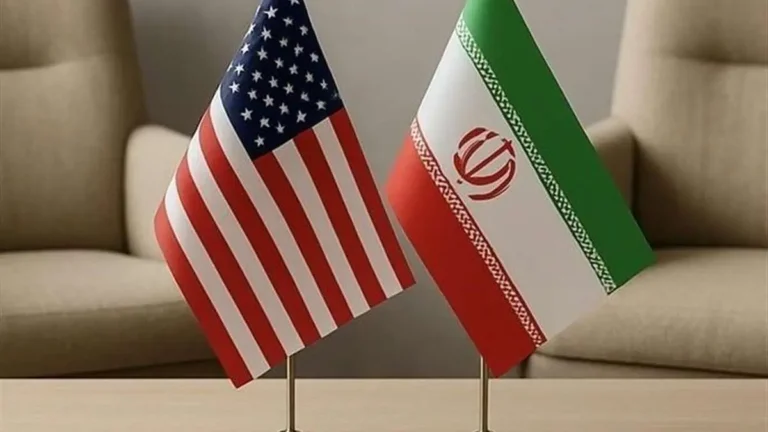
A new turning point is anticipated in the conflict involving the USA, Israel, and Iran. Negotiations for a ceasefire are underway, but it is still too early to speak of a real cessation of hostilities. The American publication Axios, citing four informed sources in the USA and Israel, reported that the USA, Iran, and a […]
A new turning point is anticipated in the conflict involving the USA, Israel, and Iran. Negotiations for a ceasefire are underway, but it is still too early to speak of a real cessation of hostilities.
The American publication Axios, citing four informed sources in the USA and Israel, reported that the USA, Iran, and a group of regional mediators are discussing the terms of a 45-day ceasefire that could lead to a complete end to the war.
According to the publication, the plan includes a 45-day ceasefire with an immediate halt to hostilities and groundwork for political negotiations. It is noted that the initiative was proposed by the mediating countries, particularly Pakistan, Turkey, and Egypt. Regional mediators are concerned about a sharp escalation of the conflict.
According to Reuters, the project also addresses key issues, including regional security, the role of proxy groups, and reducing tensions in the Middle East.
The details of the plan remain unknown. It is unclear what changes the original 15-point plan from the USA has undergone.
Iran’s conditions for a ceasefire are also unclear at this time.
Earlier, US President Donald Trump set an ultimatum until April 6, calling it the “final deadline.” He demanded that Tehran open the Strait of Hormuz and reach an agreement, threatening to “unleash hell” on Iran otherwise. If Iran refused, the USA promised to carry out massive strikes on Iran’s energy infrastructure.
On April 5, Trump extended this deadline by another 20 hours, emphasizing the need to reach an agreement.
The Iranian state agency IRNA reported that Tehran has already conveyed its response to the Americans through Pakistan. According to the publication, Iran rejected the USA’s proposal for a temporary ceasefire and insists on a complete cessation of hostilities to open the Strait of Hormuz.
Another key condition from Iran is the complete lifting of sanctions and US participation in the country’s reconstruction after the cessation of hostilities. The publication emphasizes that Iranian authorities are not interested in a short-term ceasefire but want a complete end to hostilities.
Several days ago, the USA conveyed a 15-point plan for a ceasefire to Iran through intermediaries, which Iranian authorities rejected. Among other things, Washington demanded the complete opening of the Strait of Hormuz, a total halt to uranium enrichment, limitations on the number and range of ballistic missiles, and an end to support for proxy groups in the Middle East. In return, the USA promised to lift all sanctions and cooperate in the field of civilian nuclear energy.
In response, Iran put forward its own demands. Now time will tell how well the parties can accept each other’s conditions.
Experts believe that the next 48 hours could be crucial, and it will become clear how the situation in the region will unfold during this time. In their opinion, without taking into account the interests of Israel and pro-Iranian proxy groups in the region, achieving a sustainable ceasefire will be practically impossible.
The USA and Israel attacked Iran on February 28 of this year. On the same day, the Supreme Leader of Iran, Ali Khamenei, was killed. Iranian media reported hundreds of dead and wounded. The USA and Israel also confirmed the deaths of military personnel.
Despite some shifts in negotiations, the situation remains tense. The proposal for a 45-day ceasefire may only be the first step, while further developments depend on the political will of the parties, the role of regional players, and the outcomes of negotiations.