News
ECONOMY TAJIKISTAN
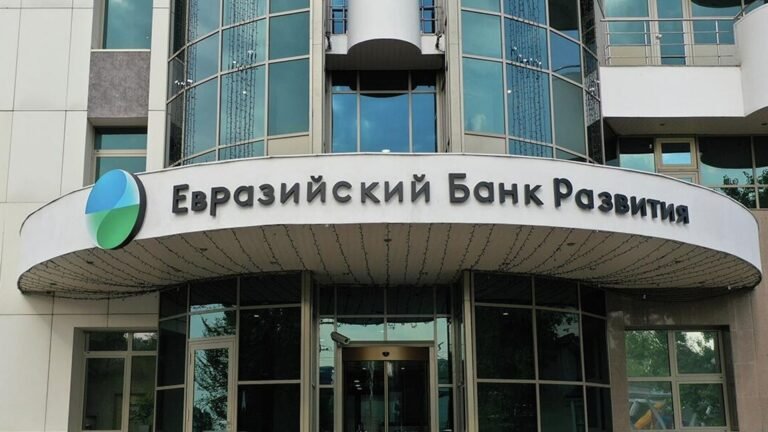
EABR named key risks for Tajikistan’s economy in the short term
Specialists from the Eurasian Development Bank (EDB) believe that the key risks for Tajikistan’s economy in the coming years stem from the external sector. “High interest rates in developed countries and structural problems in China’s economy may lead to a slowdown in global economic growth and a decline in commodity prices,” the EDB’s macroeconomic forecast […]
Specialists from the Eurasian Development Bank (EDB) believe that the key risks for Tajikistan’s economy in the coming years stem from the external sector.
“High interest rates in developed countries and structural problems in China’s economy may lead to a slowdown in global economic growth and a decline in commodity prices,” the EDB’s macroeconomic forecast for 2024-2026 states.
This scenario, according to EDB economists, will lead to a decrease in demand for goods exported by Tajikistan. “Another consequence of this scenario will be a reduction in the volume of remittances coming into the country (which primarily come from oil-exporting countries),” the authors of the publication note.
They explain that household consumption growth will slow down and private investments will decrease, while GDP growth will drop significantly below the equilibrium level. “Support for the economy in such a scenario will come from budgetary policy, assistance from international financial organizations, as well as a decrease in prices for food and energy imports into Tajikistan,” the publication emphasizes.
Despite this, EDB analysts predict “high economic growth rates” for the republic, explaining this by “strong domestic demand” – 8.0% in 2024, 8.2% in 2025, and 7.8% in 2026. “In the context of higher-than-expected prices for gold and non-ferrous metals exported by Tajikistan, as well as favorable dynamics in remittances (due to rising wages in the EDB’s operational region), the country’s economy is growing faster than our December forecast suggested,” the publication states.
The EDB economists estimate that the slowing growth of demand from external markets – both outside and within the EDB’s operational region – will have a restraining effect on economic growth until the end of this year. “This will negatively impact the real volumes of exports and the inflow of remittances and investments into the country,” they note.
At the same time, the authors of the publication emphasize that the negative impact of weaker demand dynamics from external economies will be balanced by the rising prices of metals exported by Tajikistan, especially gold.