News
SOCIETY
Energy workers urged to publicly apologize or resign
The limit on electricity and heating consumption in multi-story buildings in Dushanbe has caused sharp discontent among residents, who demanded that responsible officials be held accountable and either be dismissed from their positions for negligence in their duties. Tajik journalist Rajab Mirzo, in a statement published on his Facebook page, harshly criticized the prolonged power […]
The limit on electricity and heating consumption in multi-story buildings in Dushanbe has caused sharp discontent among residents, who demanded that responsible officials be held accountable and either be dismissed from their positions for negligence in their duties.
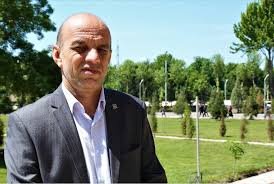
Tajik journalist Rajab Mirzo, in a statement published on his Facebook page, harshly criticized the prolonged power outages in Dushanbe, especially in the Sino district, and called on responsible workers of the power grid to either publicly apologize to the population or resign.
“It is impossible for a large city to remain without electricity for almost 10 hours in winter 2025 without any warning,” the journalist wrote.
In particular, the journalist criticized the relevant deputy chairman of the capital, the head of the city power grid, and the responsible officials of the Sino district.
“Leaving residents of concrete high-rises without light for almost a day, especially in houses not connected to the central heating system – how can this be described? Disrespect for the law? Irresponsibility? Disrespect for the population? Shamelessness? Playing on the nerves of residents? Or something else? All of the above may apply,” the journalist wrote.
Rajab Mirzo also noted that the aforementioned responsible officials were instructed back in August to prepare for the autumn-winter period.
“What have they done during this time? Let them report. And not only to their leadership but also to the residents,” he emphasized.
The journalist also questioned the statements of energy sector officials about excessive electricity consumption by the population, calling such accusations unfair and illogical.
“It is illogical and shameless to shift the blame onto the people. Have citizens lost their minds to waste expensive electricity uncontrollably and pay outrageous amounts for it every month?” the journalist asked.
Rajab Mirzo is convinced that the true causes of this problem need to be sought elsewhere.
“The question is whether new equipment was really installed at all substations and transformers, or if they simply brought old equipment and documented it as new?” Mirzo is outraged.
The journalist emphasizes that other shortcomings are also still observed today, as it is impossible to explain the situation where preparations for the winter period have been ongoing for almost six months, yet problems with electricity distribution recur year after year.
In his statement, he also questions whether certain officials are deliberately demonstrating disregard for the instructions of the president and the mayor of Dushanbe, or if they are intentionally making it so that residents no longer want to live in the capital.
A journalist’s call for power grid workers to either apologize or resign came against the backdrop of a sharp tightening of electricity supply limits across the country during the winter season. In remote areas of the republic, residents receive electricity for only 2–4 hours a day. Locals describe the current situation with electricity supply as unprecedented, stating that the conditions for light and heating in war-torn countries like Afghanistan and Syria appear better.
At the same time, representatives of the energy sector traditionally place the blame on the population, pointing to the high level of electricity consumption, and cite the main cause of the crisis as the lack of water in reservoirs.