Famous Tajik writer and playwright Hayot Ne’mat Samarkandi passed away in his hometown of Samarkand at the age of 78 after a prolonged illness. Photo: InternetTajik writer and playwright Hayot Ne’mat Famous Tajik scholar Safar Abdullo, residing in Almaty, wrote on his Facebook page on October 18 that the well-known journalist and poet Hayot Ne’mat, […]
AZDA TV· Ба дигарон фирист
Famous Tajik writer and playwright Hayot Ne’mat Samarkandi passed away in his hometown of Samarkand at the age of 78 after a prolonged illness.
Photo: InternetTajik writer and playwright Hayot Ne’mat
Famous Tajik scholar Safar Abdullo, residing in Almaty, wrote on his Facebook page on October 18 that the well-known journalist and poet Hayot Ne’mat, “who despite his disability repeatedly raised his voice to protect his people from spiritual destruction, who repeatedly declared hunger strikes in Samarkand to defend our native language,” passed away last night.
Human rights activist and former presidential candidate of Tajikistan Oinikhon Bobonazarova wrote in memory of Hayot Ne’mat: “A person who risked his life for Tajiks, for our culture and language, for Tajik newspapers and schools during difficult times, during the rule of the Karimov regime. It is very sad that we have lost such a person.”
Famous journalist and poet Zafar Sufi, mourning Hayot Ne’mat, writes: “In my opinion, Hayot Ne’mat Samarkandi was a symbol of the Tajik people in that part of Tajik lands divided by bitter fate… Ustad Hayot Ne’mat Samarkandi – a patriot, a cultural figure who, despite his disability, heroically defended the values of the people, has left us forever.”
Hayot Ne’mat Samarkandi was a poet, playwright, and literary critic, and since 1990 he was a member of the Council of the International Association of Tajiks and Persian speakers “Payvand.” Since 2000, he was a member of the Union of Writers of Tajikistan. He was a laureate of the Devashit Literary Prize.
Today, October 18, 2021, the body of the deceased Hayot Ne’mat will be buried in his native village of Kusakho (Kui Saho) in the Samarkand district.
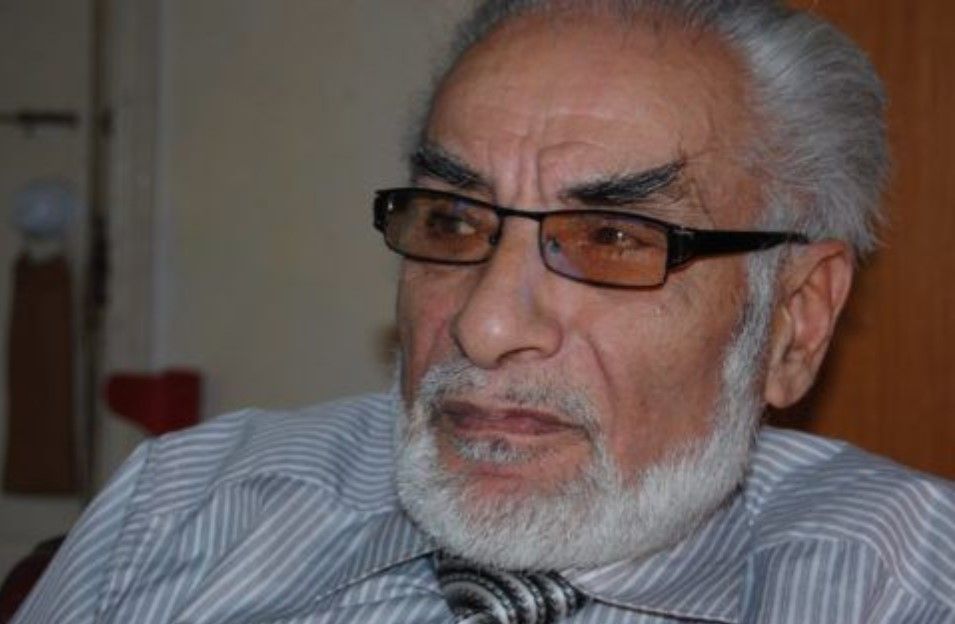 Photo: Internet