How did the fourth day of the Warsaw Conference go?
On the fourth day of the Warsaw Conference on Human Dimension of the OSCE, Tajik opposition groups were more active. Photo: Internet The theme of the fourth day of the Warsaw Conference on Human Dimension of the Organization for Security and Co-operation in Europe was “Tolerance and Non-Discrimination.” Five representatives of the Tajik opposition spoke […]
AZDA.TV· Send to others
On the fourth day of the Warsaw Conference on Human Dimension of the OSCE, Tajik opposition groups were more active.
Photo: Internet
The theme of the fourth day of the Warsaw Conference on Human Dimension of the Organization for Security and Co-operation in Europe was “Tolerance and Non-Discrimination.” Five representatives of the Tajik opposition spoke at the meeting.
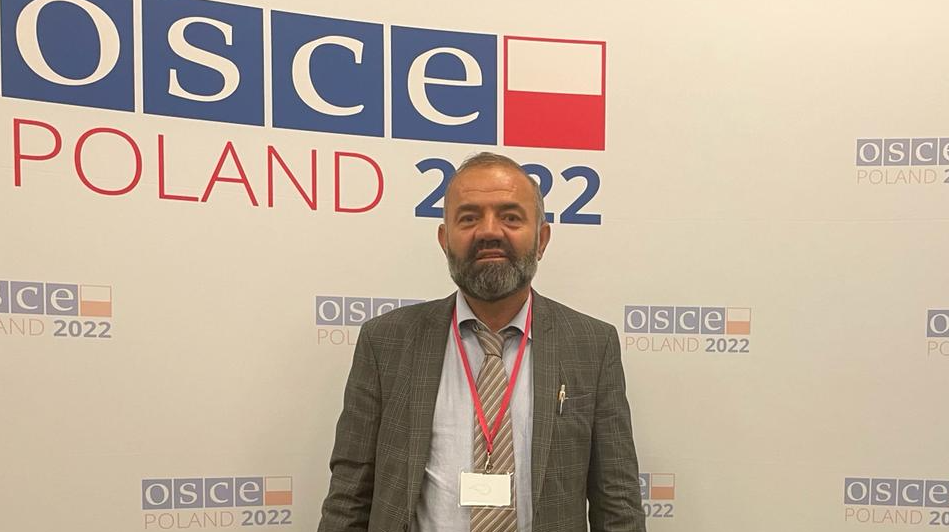
Shodmon Mahmadulloev, a member of the political movement “Group 24,” spoke at the Warsaw conference about “religious intolerance.”
“Religious intolerance is very strong in Tajikistan, but the problem is not social intolerance, but the intolerance of the state towards believers. In other words, the authorities verbally support religion, but in fact persecute believers,” said Shodmon Mahmadulloev.
Photo: InternetShodmon Mahmadulloev, member of the political movement “Group 24”
Mahmadulloev stated that the authorities persecute bearded men and women in hijabs, and the authoritarian regime decides for citizens what religion they should practice or whether they should practice any religion at all.
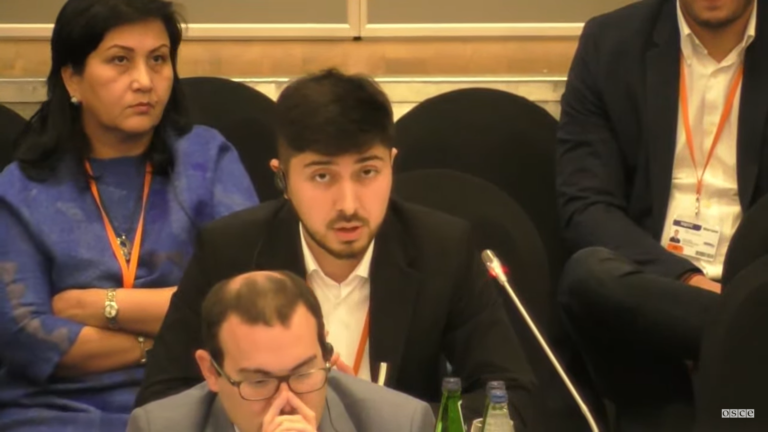
Abdusattor Boboev, chairman of the Civil Committee for the Protection of Political Hostages and Prisoners in Tajikistan, called on the U.S. government at the Warsaw conference to implement the “Magnitsky Act” against Tajik officials directly involved in human rights violations, torture, and corruption. According to him, despite the large number of political prisoners and the autocracy of the family government in Tajikistan, many Western countries and international organizations closely cooperate and say nothing about gross human rights violations at their meetings and discussions, but even praise these autocrats.
Photo: InternetAbdusattor Boboev, head of the committee for the protection of political prisoners
Abdusattor Boboev urged the OSCE, especially the democratic countries within this influential international organization, to implement the Moscow Mechanism of the OSCE regarding the authorities of Tajikistan.
Firuz Mahmadali, son of political prisoner Mahmadali Hait, accused the authorities of Tajikistan of genocide against the ethnic and religious minority – the Pamiris.
“Since the early 90s, this people has been subjected to mass extermination. During this period, a total of an estimated three to seven thousand representatives of this people were killed or went missing. Badakhshan has been subjected to an economic blockade,” said Firuz Mahmadali.
He urged representatives of civil society in democratic countries to influence their governments to impose sanctions against officials involved in crimes against humanity, especially against the leaders of law enforcement agencies.
Photo: InternetFiruz Mahmadali
Gulbarg Saifova, wife of political prisoner Umarsho Davlatov, spoke about the discrimination against women in Tajikistan. According to her, Tajikistan is among the 20 worst countries in the world for discrimination against women, while the situation for the wives, mothers, and daughters of political prisoners is much more serious. The authorities subject the relatives of political activists to pressure, harassment, and torture.
“It is true that being a mother, sister, lady, and woman is a pride, but in Tajikistan being the mother, sister, or wife of a political activist is not an easy task because you will always be subjected to pressure and persecution. And you will have to pay the price for the activities of your son, husband, or father,” said Saifova.
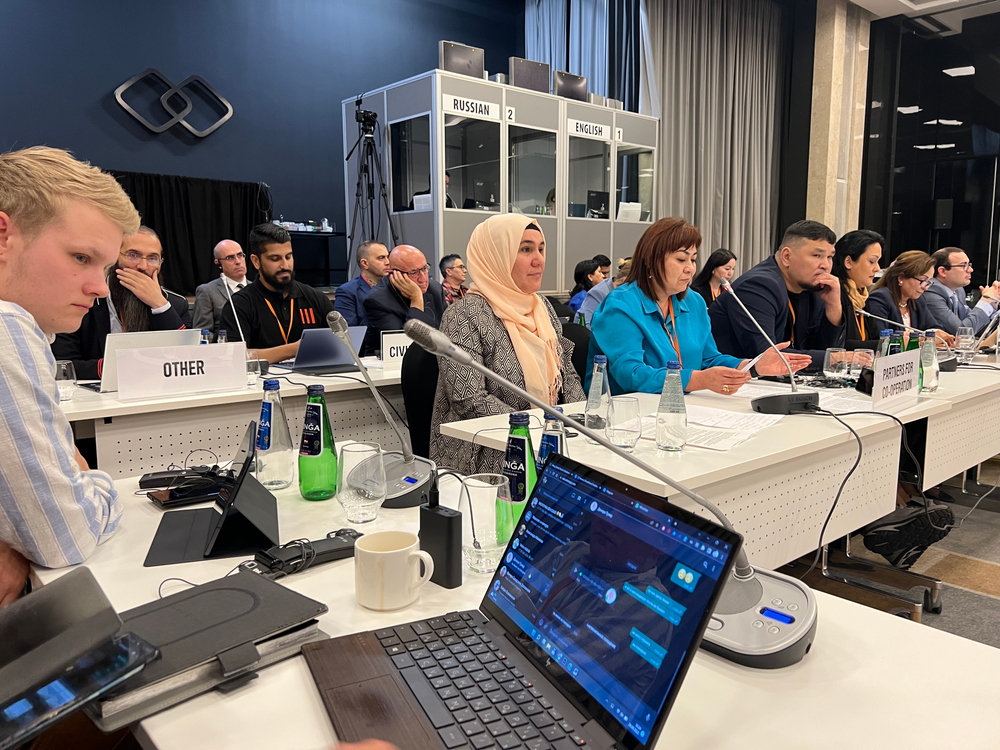
Photo: InternetGulbarg Saifova and Muazzama Kadirova
Tajik lawyer and independent human rights activist Muazzama Kadirova spoke about discrimination on religious grounds, psychological and physical torture in Tajikistan. According to her, “this has become the norm in Tajikistan, especially over the past year.”
The human rights activist questioned why the U.S. authorities had not seriously responded to the situation in Badakhshan even once over the past year.
She emphasized that more than 70 citizens did not have access to lawyers and could not receive full, qualified legal assistance, and all court proceedings were held behind closed doors, without the participation of their relatives and the public.
Human rights activist Muazzama Kadirova expressed regret that “Tajik Foreign Minister Sirojiddin Muhriddin and U.S. Secretary of State Antony Blinken discussed the situation in Tajikistan, but unfortunately did not even mention the incident in Badakhshan.”
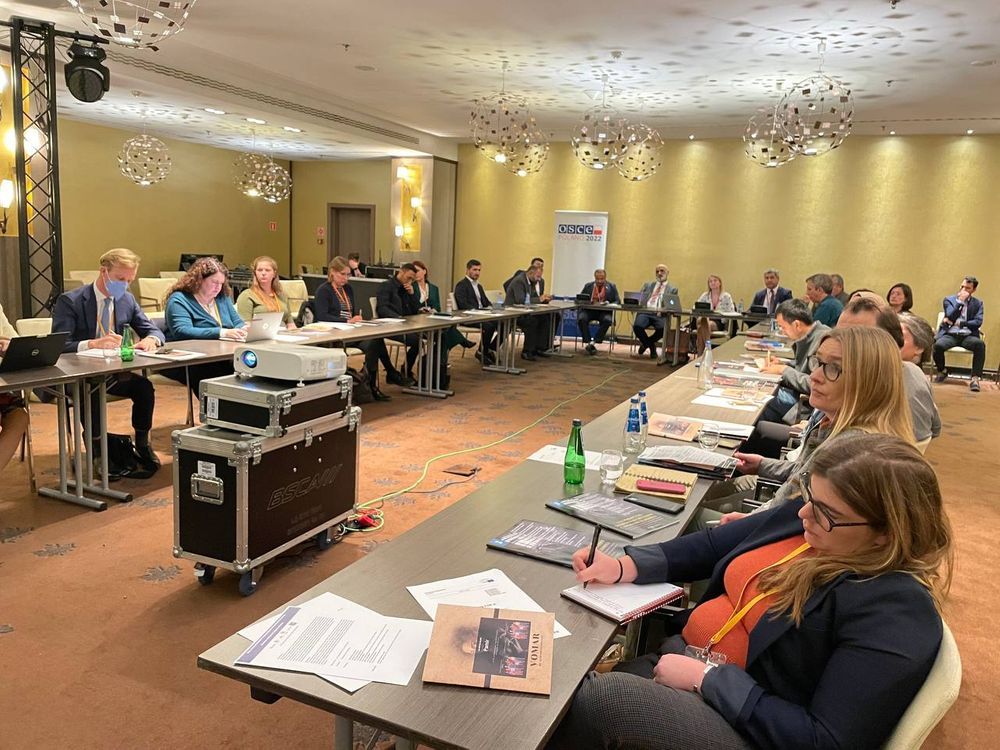
On September 29, a meeting of the organization “Center for Human Rights in Vienna” and “Forum of Free Thinkers of Tajikistan” was held, dedicated to the recent events in Badakhshan. The meeting was attended by and featured media program officer in Europe Anna Albot, Alim Sherzamonav, Temur Varki, leader of the NDT Mukiddin Kabiri, deputy chairman of “Group 24” Hussein Ashurov, and others. Susan Sanchez and Steve Sverdloff from the U.S. also participated in this meeting via videoconference and expressed their opinions.
Photo: Internet
The Warsaw Conference on Human Dimension of the OSCE began on September 26 and will last until October 7.
Representatives of the Tajik government did not appear at the conference. The reason for their absence is unknown.
 Photo: Internet