News
HUMAN RIGHTS
In Russia, an increasing number of natives of Tajikistan are being stripped of their Russian citizenship
With each passing day, the number of natives of Tajikistan who are stripped of Russian citizenship is increasing. One of them is Kadam Ismatov, now a former citizen of Russia, who has suddenly become stateless. Kadam Ismatov was an active user of social media, criticizing the Tajik authorities for their shortcomings, but he also targeted […]
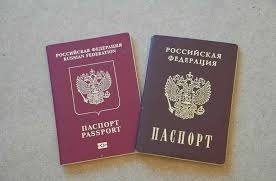
With each passing day, the number of natives of Tajikistan who are stripped of Russian citizenship is increasing. One of them is Kadam Ismatov, now a former citizen of Russia, who has suddenly become stateless.
Kadam Ismatov was an active user of social media, criticizing the Tajik authorities for their shortcomings, but he also targeted the Tajik opposition. In 2021, a court in the Saratov region of Russia revoked his Russian citizenship for allegedly providing false information when applying for citizenship of the Russian Federation in 2005. Ismatov claims that the court had insufficient evidence to annul his citizenship status.
“Allegedly, I provided some incorrect information. However, they did not specify which information was inaccurate. I said, prove it to me. But they could not provide any arguments. This is false slander. This is how they annulled my citizenship. The Saratov city court, on behalf of the Supreme Court of Russia, announced the decision that due to the provision of false information, I am deprived of Russian citizenship,” says the interviewee.
Ismatov believes that the main reason for the revocation of his Russian citizenship was the initiation of a criminal case against him on charges of “membership in banned organizations” and his being placed on an international wanted list initiated by the authorities of Tajikistan.
In August 2023, Russia handed him over to the Tajik authorities. In Tajikistan, Ismatov was suspected of collaborating with organizations banned in Tajikistan, including “Group 24” and the National Alliance of Tajikistan. He was held in a detention center until December, when he was granted amnesty. But now, after his release, he has neither Russian nor Tajik citizenship, as in 2005, when he obtained Russian citizenship, he renounced his Tajik citizenship.
Ismatov says that he is now asking the governments of Tajikistan and Russia for help in restoring his Russian citizenship. “Since I have a home, a wife, a job, and property in Russia. I have spent half of my life there. I want to return to my family,” he says.
According to Ismatov, he tried to contact the Russian embassy in Tajikistan, but he was not accepted there. Radio Ozodi sent a request to the Russian embassy asking for clarification on Ismatov’s citizenship situation, but has not yet received a response. Lawyers say that Ismatov has a chance to restore his citizenship.
Lawyer Shokirjon Hakimov believes that since this issue is a matter of human rights, regional and international organizations should assist Ismatov. “He has the right to contact the Human Rights Commissioner in Russia or personally reach out to the UN representative in Tajikistan, and to explain the situation in writing with a request for help in restoring his Russian citizenship, and if he succeeds, then he can file a lawsuit for monetary compensation for damages and moral harm,” advises Hakimov.
Kadam Ismatov lived in Saratov from 1993 until August 2023 after completing his mandatory military service. Despite being accused of serious crimes in Tajikistan, the General Prosecutor’s Office of Tajikistan issued a ruling to terminate the criminal case against Ismatov based on an amnesty act dated October 25, 2019. One of the grounds for terminating the criminal case was the Tajik authorities’ consideration of Ismatov’s renunciation of “his criminal actions” in 2017 and the cessation of contacts with “members of extremist-terrorist organizations.”
In recent years, there have been increasing instances of the detention and extradition of opponents of the Dushanbe regime from Russia to Tajikistan, in violation of existing legislation. Human rights organizations have repeatedly criticized such actions by the Russian authorities. In the past, a similar fate befell Karomat Sharipov, a human rights defender and head of the public organization “Tajik Labor Migrants” in Russia. Karomat Sharipov’s persistent attempts to restore his Russian citizenship in the courts of Tajikistan and Russia were unsuccessful, and he passed away from a heart attack on May 9, 2020.