News
ECONOMY
Meat production has increased, but prices continue to rise
Meat in Tajikistan is considered an expensive product compared to the financial capabilities of the population. Although authorities claim that meat production has increased, prices in the markets are rising instead. According to the national news agency “Khovar,” from January to August 2025, the volume of production of large and small cattle in live weight […]
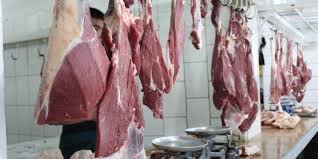
Meat in Tajikistan is considered an expensive product compared to the financial capabilities of the population. Although authorities claim that meat production has increased, prices in the markets are rising instead.
According to the national news agency “Khovar,” from January to August 2025, the volume of production of large and small cattle in live weight reached 164,055 tons, which is 10.3% more than in the same period of 2024.
According to statistical data, as of September 1, 2025, the number of large cattle in all categories of farms amounted to 2 million 851 thousand heads, which is 146.8 thousand heads (an increase of 5.4%) more than in the same period of 2024. During the same period, the number of sheep and goats reached 7 million 449.3 thousand heads, increasing by 388.9 thousand heads (an increase of 5.5%).
However, despite the growth in livestock production, meat prices in consumer markets continue to rise.
Currently, 1 kilogram of meat costs between 75 and 100 somoni, which is almost twice as expensive as in 2018.
The reasons for the price increase are attributed to rising costs of livestock maintenance, high feed prices, and the summer season when cattle are taken to pastures.
Experts note that to reduce prices and increase meat production, it is necessary to create specialized farms for breeding meat breeds of cattle, as well as enterprises for producing compound feeds in cities and regions.
High prices and limited meat supply are causing dissatisfaction among citizens, many of whom cannot afford to buy meat on a regular basis.