Meeting of the Attorneys General of Tajikistan and Saudi Arabia
The Attorney General of Tajikistan, Yusuf Rahmon, met with the Attorney General of Saudi Arabia, Saud bin Abdullah Al-Mujeb, in the city of Jeddah. Photo: Internet As reported by Al-Riyadh, the Attorney General of Saudi Arabia received a delegation from Tajikistan headed by Attorney General Yusuf Rahmon in his office. It is reported that during […]
AZDA.TV· Send to others
The Attorney General of Tajikistan, Yusuf Rahmon, met with the Attorney General of Saudi Arabia, Saud bin Abdullah Al-Mujeb, in the city of Jeddah.
Photo: Internet
As reported by Al-Riyadh, the Attorney General of Saudi Arabia received a delegation from Tajikistan headed by Attorney General Yusuf Rahmon in his office.
It is reported that during the meeting, the parties discussed bilateral relations between the two agencies, ways to improve cooperation at all levels of mutual interest.
According to the press service of the Attorney General’s Office of Tajikistan, the parties discussed “issues of combating international terrorism and extremism, radicalism, human trafficking, drug trafficking, the recognition of certain terrorist and extremist organizations and groups on the territory of Saudi Arabia as terrorists, as well as other phenomena of transnational crime.”
The authorities of Tajikistan have been trying for over 7 years to present the Islamic Renaissance Party of Tajikistan and other opposition organizations as terrorist and extremist organizations in the region, but without success.
Although a month ago, the Attorney General of Russia, Igor Krasnov, during a meeting with Emomali Rahmon, stated that the Attorney General’s Office of the Russian Federation considered the request of the Attorney General of Tajikistan, Yusuf Rahmon, to recognize the IRPT as “terrorist” in Russia, no new information on this matter has been received yet. This announcement brought joy to the authorities of Tajikistan, and the leadership of the IRPT also reacted to it.
Today, when Yusuf Rahmon speaks about “the fight against international terrorism and extremism,” he undoubtedly implies opposition organizations, including the IRPT, for this reason he emphasized that “a memorandum of joint cooperation aimed at combating terrorism and its financing, money laundering, and transnational crime has been signed.”
Saudi Arabia is one of the countries that harshly suppresses political opponents and dissidents in the country. Just recently, on August 9, it was reported that 34-year-old Salma al-Shehab, a civil society activist, was sentenced to 34 years in prison for using Twitter and for being subscribed to dissidents and spreading their ideas.
Experts believe that the authorities of Saudi Arabia may not hesitate to recognize as terrorist organizations those banned in Tajikistan and Russia and will likely include them in the list of banned organizations in Saudi Arabia in the near future.
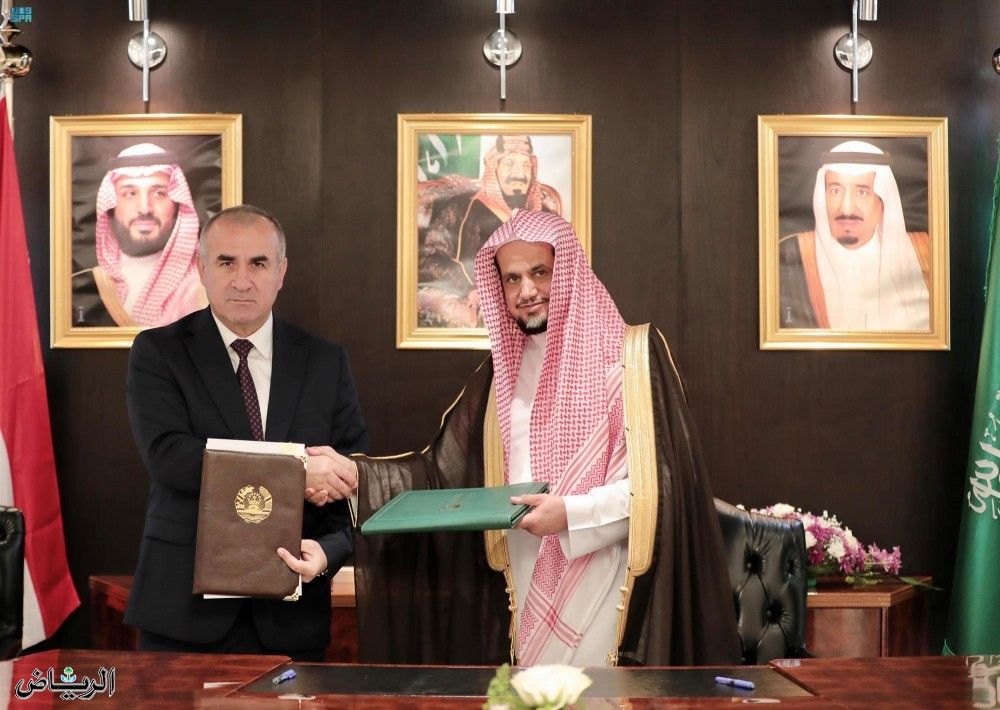 Photo: Internet