Meeting of the Foreign Ministry representative with Ruth Dreifus
In Geneva, Tajikistan’s authorities discussed the human rights situation with a representative of the international commission against the death penalty. Photo: Internet According to the press service of the Ministry of Foreign Affairs of Tajikistan, on February 27, Deputy Foreign Minister Muzaffar Khusainzoda met with Vice President of the international commission against the death penalty […]
AZDA.TV· Send to others
In Geneva, Tajikistan’s authorities discussed the human rights situation with a representative of the international commission against the death penalty.
Photo: Internet
According to the press service of the Ministry of Foreign Affairs of Tajikistan, on February 27, Deputy Foreign Minister Muzaffar Khusainzoda met with Vice President of the international commission against the death penalty Ruth Dreifuss during the 52nd session of the UN Human Rights Council in Geneva.
During the meeting, the parties discussed cooperation “in the field of human rights protection, as well as other issues of mutual interest.”
In 2004, the government of Tajikistan officially declared a moratorium on the death penalty. However, experts believe that law enforcement agencies in Tajikistan effectively carry out extrajudicial killings and, if desired, physically eliminate those accused of serious crimes.
In particular, many questions arose after the death of Gulbidin Ziebekov, a native of the Roshtkala district of GBAO, during his detention, and the death of Abdukakhhor Rozikov in the police station of the city of Kulob.
Users of the Tajik segment of social networks widely discussed the killing of 70 residents of the Rushan district and the city of Khorugh in the Gorno-Badakhshan Autonomous Region as an example of citizens being murdered by law enforcement agencies. The incident occurred last summer on the personal orders of Emomali Rahmon.
Earlier, in 2019 and 2020, security forces organized a controlled riot in the prisons of Vahdat and Khujand, resulting in the brutal treatment of dozens of political prisoners.
41 days ago, the authorities of Germany, together with the Tajik embassy in Berlin, deported political activist Abdullahi Shamsiddin from Germany. His current whereabouts remain unknown. His family and friends are deeply concerned about his fate.
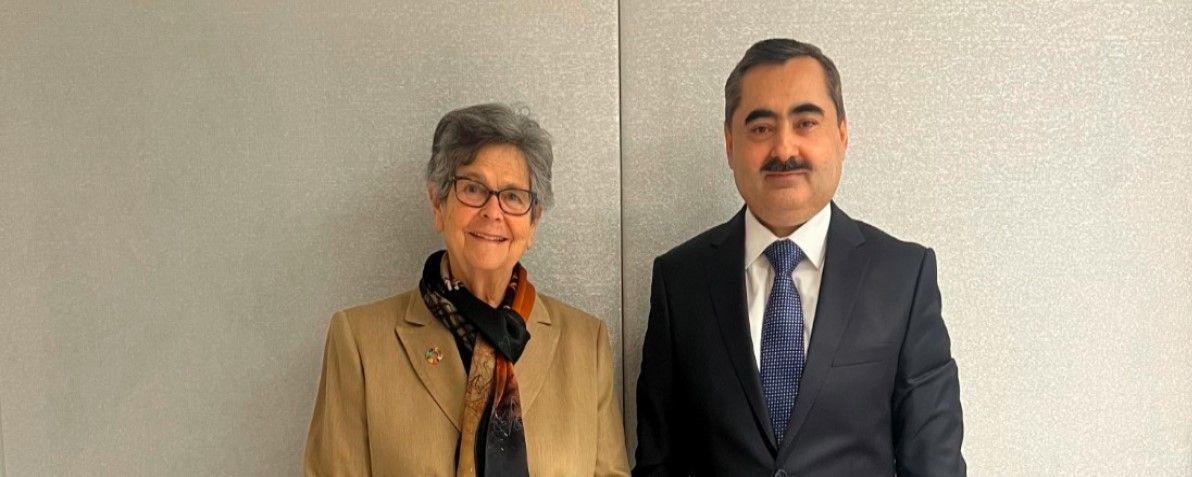 Photo: Internet