News
POLITICS
National Unity Day – a historical achievement or contemporary issues
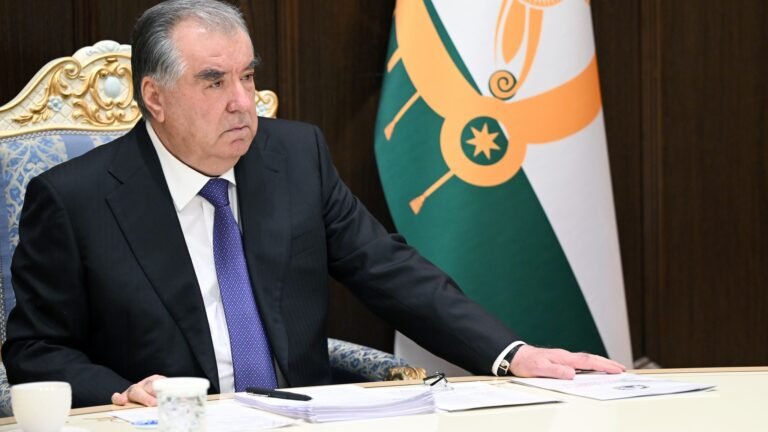
The President of Tajikistan, Emomali Rahmon, during his speech on June 26 of this year on the occasion of the Day of National Unity, called the Peace Agreement “one of the greatest achievements of the Tajik people during the period of State independence.” According to the president, on June 25, a new initiative from Tajikistan […]
The President of Tajikistan, Emomali Rahmon, during his speech on June 26 of this year on the occasion of the Day of National Unity, called the Peace Agreement “one of the greatest achievements of the Tajik people during the period of State independence.”
According to the president, on June 25, a new initiative from Tajikistan titled “International Decade for Strengthening Peace for Future Generations, 2027–2036” was adopted by a resolution of the United Nations General Assembly.
“The resolution emphasizes the need to strengthen a culture of peace, prevent conflicts, enhance tolerance, mutual understanding, and expand the dialogue of civilizations in the global community as a foundation for a decent life for future generations,” he stated.
It is noted that this document calls on all states to make efforts to achieve and strengthen lasting peace at all levels—from family, society, country, and region to international relations.
Emomali Rahmon emphasized that we must explain to teenagers and youth that peace is not only the absence of war, but “peace is culture, peace is responsibility, peace is respect for the dignity and honor of a person.” He noted that peace is ensuring justice and equal opportunities for all humanity.
However, critics argue that these words, although beautifully articulated by Emomali Rahmon, would mean more if peace, respect for human honor and dignity, ensuring justice, and equal opportunities for all were truly important principles; otherwise, today thousands of dissenters and political opponents would not be in prison. Moreover, over two million young Tajiks and working-age individuals would not be forced to seek employment abroad.
Emomali Rahmon also reminded in his speech of the tragic events of the 1990s and the civil war. He emphasized that the people of Tajikistan will never forget the tragedy of the imposed civil war. At the same time, he stated that the foundation of national unity and peace in Tajikistan was laid at the 16th session of the Supreme Council of the country.
The Tajikistan Peace Agreement was signed on June 27, 1997. Since then, this day has been celebrated annually as the Day of National Unity. The signing of this agreement ended the civil war in Tajikistan and laid the foundation for the formation of a new state system in the country. Today, this day is officially celebrated as a symbol of mutual understanding and political stability. However, this political stability is controlled by only one side.
Critics believe that Emomali Rahmon, as in his previous speeches, did not mention the other side of the Tajik peace agreement, which was then led by the Islamic Revival Party of Tajikistan headed by Said Abdullo Nuri. In their opinion, he presents the conclusion of peace in such a way that its achievement is solely his personal merit, while the other side is portrayed as nothing more than a group of criminals, and this attitude towards political opponents, who were the other side of the peace process, remains with him to this day.