News
HUMAN RIGHTS
NATO urged the Austrian authorities not to extradite Tajik opposition members
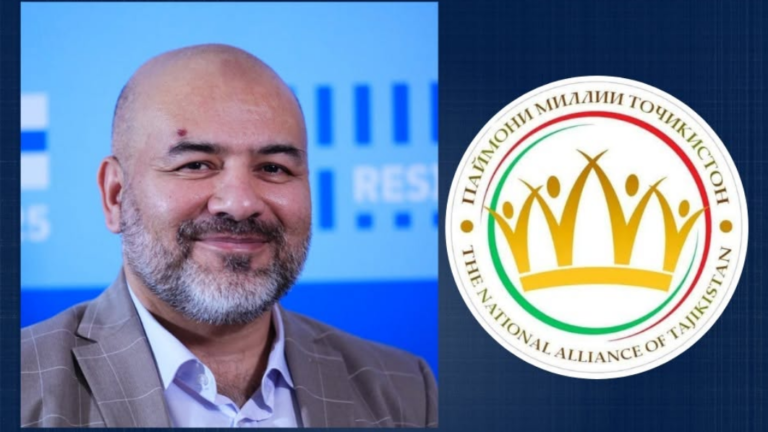
The National Alliance of Tajikistan (NAT) in its statement published on July 20 urged the authorities of Austria not to extradite Shavkatjon Sharipov, the official representative of this organization, who is more commonly known on social media as Shavkati Muhammad. The National Alliance of Tajikistan also expressed concern over the consideration of “dozens of cases” […]
The National Alliance of Tajikistan (NAT) in its statement published on July 20 urged the authorities of Austria not to extradite Shavkatjon Sharipov, the official representative of this organization, who is more commonly known on social media as Shavkati Muhammad. The National Alliance of Tajikistan also expressed concern over the consideration of “dozens of cases” of Tajik asylum seekers and refugees in Austrian courts and called on the authorities of this country to fully comply with the UN Convention Against Torture and the 1951 Refugee Convention.
The National Alliance of Tajikistan reported the start of legal proceedings regarding the request from the authorities of Tajikistan for the extradition from Austria of political activist, independent journalist, and officially recognized refugee Shavkati Muhammad, expressing its concern in this regard.
It is reported that Shabnam Muhammad received an official summons from the Vienna Regional Court for Criminal Matters on July 9 of this year, stating that the court proceedings regarding his extradition will begin on August 5, 2026.
The National Alliance of Tajikistan called the request from Tajikistan “politically motivated.”
“This practice is recognized internationally as ‘transnational repression’ and has been repeatedly condemned by the United Nations, the European Parliament, and other international organizations,” the NAT statement said.
The coalition of Tajik opposition parties and movements sounded the alarm, noting that “in the event of extradition, Shavkatjon Sharipov will face a real threat of arbitrary detention, torture, unfair trial, and political persecution.”
The coalition also mentioned the case of Khizbullah Shovalizoda, who was deported from Austria to Tajikistan in 2020, after which the Austrian Supreme Court declared this deportation illegal. The NAT urged the authorities of Austria not to repeat such a mistake. It is reported that after his deportation from Austria, Shovalizoda was sentenced to 23 years in prison.
“Currently, the courts of the Republic of Austria are considering the cases of dozens of citizens of Tajikistan who have the status of political refugees or are under international protection. Therefore, this statement and its provisions apply to all political opposition members, journalists, and political refugees from Tajikistan residing in Austria,” the NAT statement noted.
As reported by sources from Azda TV, to date, the courts in Austria have already considered the cases of 5 Tajik opposition members, and as a result of the proceedings, the court rejected the request from the authorities of Tajikistan for the extradition of the opposition members. Moreover, after detailed proceedings, the court ruled to grant refugee status to one of the Tajik opposition members who had previously been unable to obtain political refugee status.
The National Alliance of Tajikistan also called on the authorities of the Republic of Austria:
“- reject requests for the extradition of Shavkatjon Sharipov and other political refugees who face political persecution, torture, and unfair judicial proceedings upon their return;
– fully respect their refugee status and all related legal guarantees;
– prevent the use of international legal cooperation mechanisms as a tool for transnational persecution of political opponents.”
Additionally, the coalition of Tajik opposition parties and movements called on the United Nations, the European Union, the Council of Europe, the OSCE, and all international human rights organizations to “carefully monitor this and similar cases and use all available legal and diplomatic means to protect the rights and safety of political refugees from Tajikistan.”