The “Tiger Gorge” Nature Reserve, covering an area of about 50,000 hectares, was included in UNESCO’s representative list in 2023, which is now subject to state protection. However, ecologists warn that the reserve risks losing its unique ecosystem due to the project to complete the Rogun Hydroelectric Power Plant reservoir.
Environmental protection specialists note that the floodplain ecosystems of the reserve located downstream from the construction site of the giant dam are at risk of becoming victims of changes in the water flow of the Vakhsh River, as there will not be enough floodwaters to maintain the ecological balance. Ecologists add that the updated project documentation for the Rogun HPP does not address the issue of ensuring sufficient flood releases to maintain the unique tugai forests of “Tiger Gorge,” its floodplain, and other key natural values. The implementation of the project to complete the Rogun HPP reservoir in its current state could lead to the final degradation of the floodplain complex of the reserve.
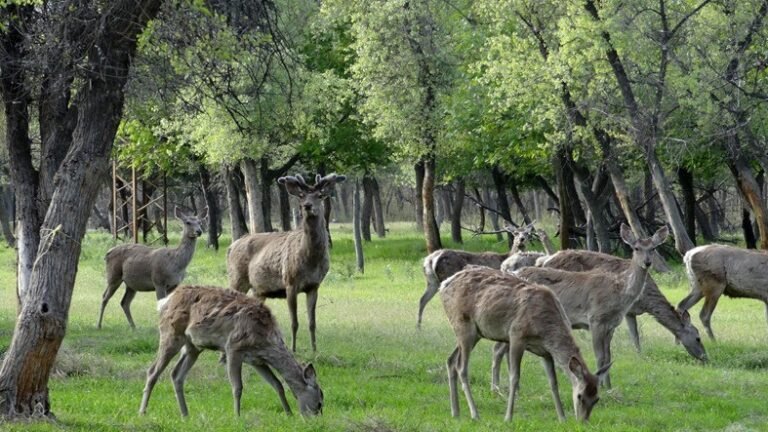
The “Tiger Gorge” reserve represents the largest and most untouched tugai forest in Central Asia and is considered the only place in the world where the ecosystem of tugai forests made up of Asian poplar has been preserved in its pristine form. It is home to the largest natural habitat of the Red Book-listed Bukhara deer in Tajikistan, and many species of wetland birds that nest and rest there are at risk, as well as a significant risk to floodplain lakes, which may dry up and become saline due to changes in the water regime of the Vakhsh River.