News
WORLD
Tajikistan called for non-interference in China’s “internal affairs”
The Ministry of Foreign Affairs of Tajikistan stated in its official statement that it firmly opposes “interference in the internal affairs” of China. The press service of the Tajik Ministry of Foreign Affairs reported in its statement on January 14, 2024, that in connection with the elections in Taiwan, “Tajikistan firmly supports the ‘One China’ […]
The Ministry of Foreign Affairs of Tajikistan stated in its official statement that it firmly opposes “interference in the internal affairs” of China.
The press service of the Tajik Ministry of Foreign Affairs reported in its statement on January 14, 2024, that in connection with the elections in Taiwan, “Tajikistan firmly supports the ‘One China’ policy.”
The Ministry of Foreign Affairs emphasized that Tajikistan considers “the Government of the People’s Republic of China to be the only legitimate and representative government of all of China.”
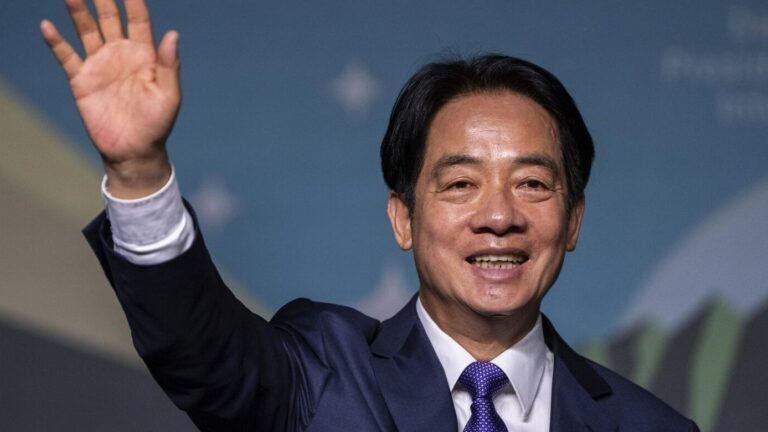
The presidential elections of the Republic of China (Taiwan) took place on January 13, 2024. Lai Ching-te, the candidate from the ruling Democratic Progressive Party and former vice president, won the elections, receiving over 40 percent of the votes.
After the elections, the Ministry of Foreign Affairs of Taiwan called on the authorities in Beijing to “respect the election results, face the truth, and refrain from repression against Taiwan.”
Leaders of the United States and several European countries officially congratulated Lai Ching-te on his victory in the presidential elections. Washington noted that the people of Taiwan “once again demonstrated the strength of their robust democratic system and electoral process.”
The authorities in China consider Taiwan an integral part of China and do not recognize the results of the elections. Beijing regards the newly elected Lai Ching-te as a “separatist” and promises to take measures if Taiwan begins the process of formal independence from China.
The Chinese authorities were outraged and sharply criticized the congratulations from the US government to Lai Ching-te, calling it “interference in the internal affairs” of China.
Official Dushanbe also stated that it “firmly opposes any attempts at external interference in the internal affairs” of China, without mentioning the US.
Lai Ching-te promised to resist threats and intimidation from Beijing, to use dialogue instead of confrontation, and to confidently promote exchanges and cooperation.
Lai Ching-te won the presidential elections, but on the other hand, his party lost a significant number of seats in the Taiwanese parliament.
Taiwan, or officially the Republic of China, is a partially recognized state in East Asia.