News
MIGRATION POLITICS
Tajikistan recommended its citizens refrain from traveling to Russia
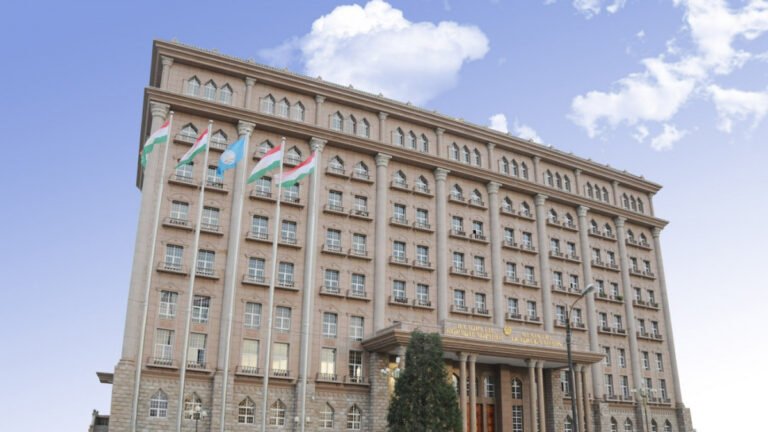
The Ministry of Foreign Affairs of Tajikistan has recommended that citizens refrain from traveling to Russia. The statement was made against the backdrop of a sharp increase in pressure from Russian state structures on migrants from Central Asian countries following the attack on the Crocus City Hall concert venue in the Moscow region. Most of […]
The Ministry of Foreign Affairs of Tajikistan has recommended that citizens refrain from traveling to Russia. The statement was made against the backdrop of a sharp increase in pressure from Russian state structures on migrants from Central Asian countries following the attack on the Crocus City Hall concert venue in the Moscow region. Most of the arrested suspects in the case are citizens of Tajikistan.
The travel advisory appeared on the ministry’s website on April 27. The text indicates that travel to Russia should only occur in cases of urgent necessity. Earlier, human rights organizations reported an increase in xenophobic incidents in Russia directed at migrants from Central Asian countries.
Tajikistan’s Foreign Minister Sirojiddin Muhriddin stated in April that an “ill-considered information campaign” in Russia is shaping a “negative perception of Tajikistan’s citizens and Tajiks.”
Recently, the Tajik Foreign Ministry reported mass refusals of entry to Russia for its citizens. This primarily concerns young men, according to eyewitness accounts at Russian border checkpoints.
In 2023, according to the Ministry of Labor, Migration, and Employment of Tajikistan, 652,000 people left for work in Russia. Tajiks are the second largest group of labor migrants in the country after citizens of Uzbekistan. About one-third of Tajikistan’s GDP is formed by remittances from workers abroad, predominantly from Russia.
The Russian economy, in turn, is in urgent need of foreign labor. The First Deputy Minister of Industry and Trade Vasily Osmakov noted back in 2023 that the shortage of workers is a “key problem” for the economy. The issue was highlighted in April of the same year by Russian President Vladimir Putin, who stated that the country “simply lacks working hands in many areas.”
According to the Central Bank, the labor shortage has only increased since then across all sectors of the economy — about 70 percent of enterprises are experiencing it.