News
ECONOMY
The black currency exchange market is thriving in Tajikistan
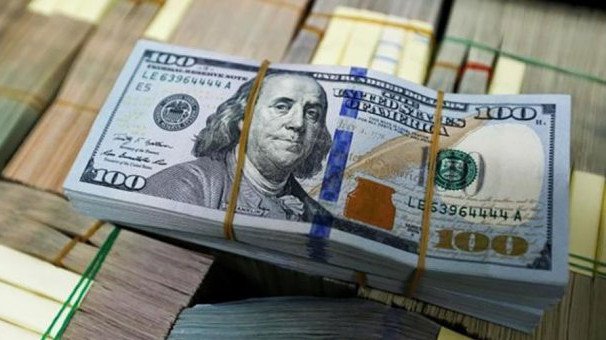
There is a shortage of foreign currency in Tajikistan, especially US dollars. Some social media users complain that the country’s banks have imposed restrictions on the sale of foreign currency to the public. On the morning of April 12, social media users reported that there is a restriction on the sale of US dollars to the public […]
There is a shortage of foreign currency in Tajikistan, especially US dollars.
Some social media users complain that the country’s banks have imposed restrictions on the sale of foreign currency to the public.
On the morning of April 12, social media users reported that there is a restriction on the sale of US dollars to the public and expressed concern that such monetary policy by the banks could lead to an increase in the dollar’s value against the national currency.
Journalist Mukhamadali Maksadullo writes: “It is certain that the dollar will rise even more in price, and the somoni exchange rate will fall, as the Hajj season is expected after Ramadan, and pilgrims will take dollars out of the country.”
A user under the nickname Omina reported the existence of a black market for currency exchange in the capital, where dollars can be purchased. “On the side of the Korvon market, where it says Dushanbe, if you go there in the morning after the morning prayer and stand in line, you can find dollars,” she writes.
Discussing the issue of increased demand for the black market for currency exchange, some users claim that the banks of Tajikistan themselves are involved in the development of these black markets.
“All banks sell currency and have their clients, they quietly work with them and make money, while those who sell you dollars on the street are intermediaries who work with these banks,” writes Khamid Mukhamadiev.
The artificially created shortage of dollars and other foreign currencies before the start of certain seasons in Tajikistan is not a new phenomenon. Those controlling the black market for currency exchange sometimes, under the pretext of the start of the summer season, claim that residents buy more agricultural supplies for farming, and sometimes under the pretext of the winter season, artificially lower or raise prices for foreign currencies.
Experts believe that the start of the Hajj season is also just a pretext for raising prices for foreign currency. According to them, once a year about 6,200 pilgrims go to Saudi Arabia, each taking about 1,000 dollars for souvenirs and gifts, but this is not enough to cause a shortage or increase in the dollar’s price. Some entrepreneurs in Tajikistan can purchase goods abroad for millions of dollars daily, while the National Bank of Tajikistan controls the currency exchange market considering these processes, and the national currency – somoni maintains its exchange rate.