Electricity production in Tajikistan has increased, but the limit on electricity consumption in the regions remains. Photo: Internet The total volume of electricity production in Tajikistan for the first nine months of this year amounted to 16.34 billion kWh, which is 460.6 million kWh more than the same period in 2021. According to the Avesta […]
AZDA.TV· Send to others
Electricity production in Tajikistan has increased, but the limit on electricity consumption in the regions remains.
Photo: Internet
The total volume of electricity production in Tajikistan for the first nine months of this year amounted to 16.34 billion kWh, which is 460.6 million kWh more than the same period in 2021.
According to the Avesta agency, the country’s hydropower plants produced 15.54 billion kWh of electricity during this period, while thermal power plants generated over 805.2 million kWh.
Despite the increase in electricity production this year, residents of the regions are still complaining about power outages and the introduction of energy limits since the end of September. Residents are wondering where the electricity generated in the country is going?
In most cases, authorities deny the introduction of limits on electricity consumption or link outages to repair and restoration work.
The President of Tajikistan, Emomali Rahmon, who previously claimed that the limit on electricity consumption would become a thing of the past, unexpectedly confirmed on October 24 that restrictions on electricity supply have been introduced in the country.
Speaking to residents and activists in the city of Norak, Emomali Rahmon stated that “currently, taking advantage of favorable weather conditions, there is also a restriction on electricity supply in our country.”
Rahmon urged every family and all organizations and institutions to pay serious attention to the economical use of electricity during the autumn-winter period.
However, experts believe that these promises are similar to Rahmon’s previous promises, and therefore, residents of the country will again face limits on electricity consumption during the cold season.
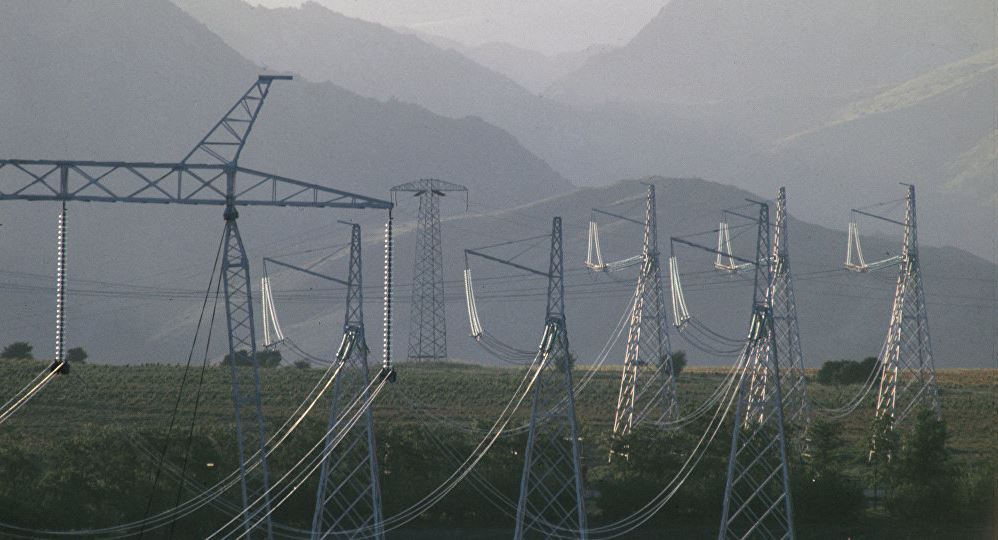 Photo: Internet