News
TAJIKISTAN
The draft plan has been fulfilled by almost 90% across the country
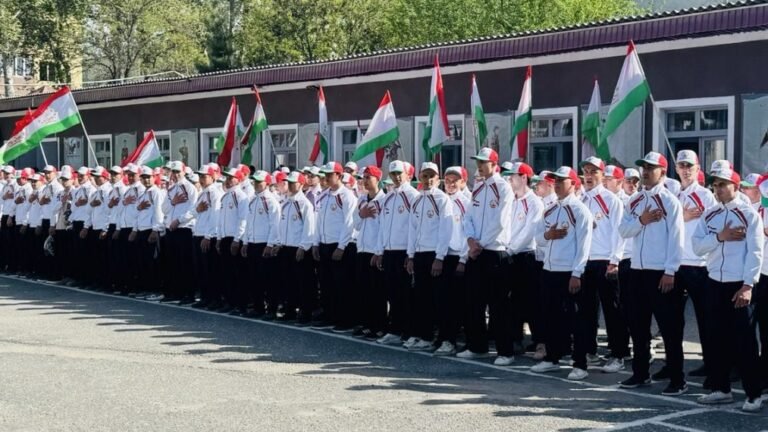
In three weeks of the spring conscription, the plan for recruiting new soldiers into the armed forces of Tajikistan has been fulfilled by almost 90%. According to the Ministry of Defense of Tajikistan, the conscription plan was fully met by the Gorno-Badakhshan Autonomous Region, Dushanbe, and the Khatlon Region. Meanwhile, the dispatch of conscripts to […]
In three weeks of the spring conscription, the plan for recruiting new soldiers into the armed forces of Tajikistan has been fulfilled by almost 90%.
According to the Ministry of Defense of Tajikistan, the conscription plan was fully met by the Gorno-Badakhshan Autonomous Region, Dushanbe, and the Khatlon Region. Meanwhile, the dispatch of conscripts to military units continues.
According to the agency, in the Sughd Region, the conscription plan was fulfilled by 78.5%. In the cities and districts under republican jurisdiction, the plan was fulfilled by 76.7%.
The Ministry of Defense of Tajikistan reports that over 20 days of the conscription campaign across the republic, the plan was fulfilled by 89.1%. This year, during the spring conscription, citizens born between 1999 and 2008, who are subject to mandatory military service in the National Army, were called up.
For the last two years, the authorities have claimed that the number of citizens voluntarily reporting to military enlistment offices for military service is increasing. For this reason, the conscription plan is fully completed in a very short time.
However, during the conscription campaign, reports from various parts of the country indicate the opposite. In particular, there have been previous reports that authorities instructed mosque imams and neighborhood chairmen to urge parents to force their children to join the army. Otherwise, they were threatened with criminal or administrative charges.
Also, at the beginning of each conscription season, videos appear online showing military enlistment office employees, along with law enforcement officers, detaining young men of conscription age on the streets and in public places, as well as at their residences, during a campaign known in the public as “oblava,” and forcibly sending them to the army.