News
SOCIETY
When a teacher is beaten…
The incident involving the beating of a teacher in the Nurabad district has raised a number of questions about the status of educators in society, which remain unanswered. In society, a teacher is regarded not only as a bearer of knowledge and science but also as a mentor for generations and a guardian of moral […]
The incident involving the beating of a teacher in the Nurabad district has raised a number of questions about the status of educators in society, which remain unanswered.
In society, a teacher is regarded not only as a bearer of knowledge and science but also as a mentor for generations and a guardian of moral values. For years, we have been discussing the need to elevate the status of teachers in society, enacting laws and debating the key role of education in the development of the state. However, the recent incident in the Nurabad district has highlighted the significant gap between words and reality.
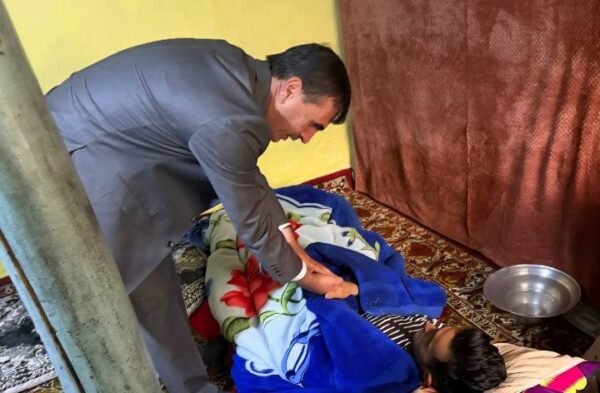
A teacher from one of the district’s general education institutions stated that he reprimanded a student for arguing too much. However, after this, her brother assaulted the teacher. According to the teacher, he was beaten so severely that he required hospitalization. A medical examination also confirmed the presence of bodily injuries.
This incident itself raised serious concerns. However, the results of the investigation into the case sparked even more heated debates in society. The person who, according to the teacher, assaulted him was sentenced to administrative arrest for 5 days. However, the victimized teacher was also punished: he was fined.
This decision triggered widespread public resonance and a wave of outrage and concern among teachers, intellectuals, and community activists.
Hundreds of social media users are asking one simple question: if teachers are beaten and sustain injuries, and then they themselves are punished, what guarantee is there for the protection of educators?
This question pertains not only to the fate of one teacher. It directly impacts the entire education system. In a country where there has been a chronic shortage of educators for years, such incidents can negatively affect the reputation of the teaching profession.
Any teacher hearing about this incident will inevitably ask themselves: “If something similar happens to me tomorrow, who will protect me?”
According to some reports, after this incident, Mukhimjon Rahmonov decided not to continue his teaching career. If this information is accurate, the real damage will not be limited to just one individual, as any teacher leaving the profession creates another vacant position in the education system.
The Law of the Republic of Tajikistan “On the Status of Educators” was adopted specifically to elevate the status, reputation, and rights of teachers in society.
However, the incident in the Nurabad district once again demonstrated that what matters to society is not so much the text of the law itself but its actual enforcement and practical implementation. The value of the law lies not in what is written on paper but in how effectively it can protect a person in a difficult situation.
When a teacher is assaulted, the issue is not just about conflict. It is a question of society’s attitude towards science, knowledge, and representatives of the intelligentsia. If an educator feels unprotected, can they truly nurture the next generation in peace?
The main question that arises in light of what has happened is: if society is unable to protect its educator, who will it be able to protect tomorrow?