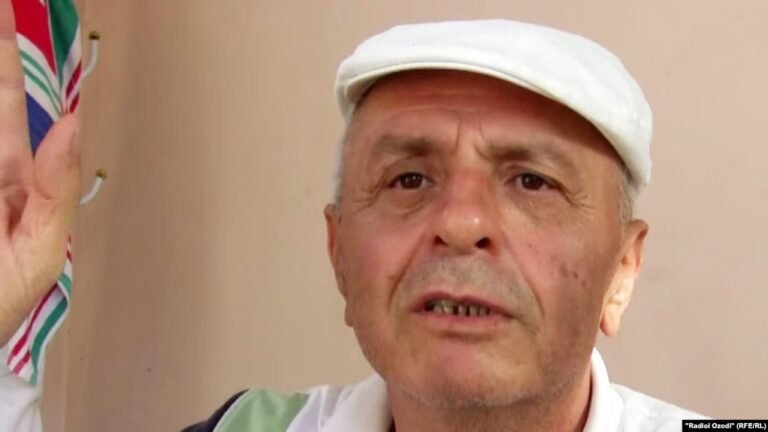
The latest episode of the Radio Ozodi podcast is retrospective, as it was recorded in April 2007 by the famous journalist of the media resource Abdulkayum Kayumzod with Sultan Kuvvat, a veteran tester of the country’s political space for the strength of democratic values. This episode of the podcast discusses the personality of Sultan Kuvvat, his worldview on the political structure of the country, the mission of his political party, the bitterness of unfulfilled presidential plans, and the future of Tajikistan.
Sultan Kuvvat headed the Tax Committee of Tajikistan and for many years tried to create the party “Ҳизби Тараққиёт” (Development of Tajikistan), believing that he had the right to participate in the political life of the country and run for president. However, his party was not registered under various pretexts, and he himself would soon be found dead at the age of 61. The fate of his deputy Rustam Faiziev also turned out to be tragic. Initially, he was arrested, sentenced to prison, and he would soon die there.
One of the last politicians in Tajikistan was Zaid Saidov, a former minister of industry, who was sentenced to 29 years for his desire to register the political party “New Tajikistan.” Faromuz Irgashev, a young lawyer from GBAO, an independent candidate for the presidential elections in Tajikistan, received a similar prison sentence. Leaders of the Islamic Revival Party (IRPT) Mahmadali Hait and Saidumar Khusaini are in the dungeons of Tajik prisons. Muhammadruzi Iskandarov, the leader of the Democratic Party of Tajikistan, has been sentenced to a long term in the country. Hikmatullo Saidov, who for many years tried to register the party “Unity” (“Vahdat”), was unsuccessful.